More methods for forecasting coding automation
Month: October 2026
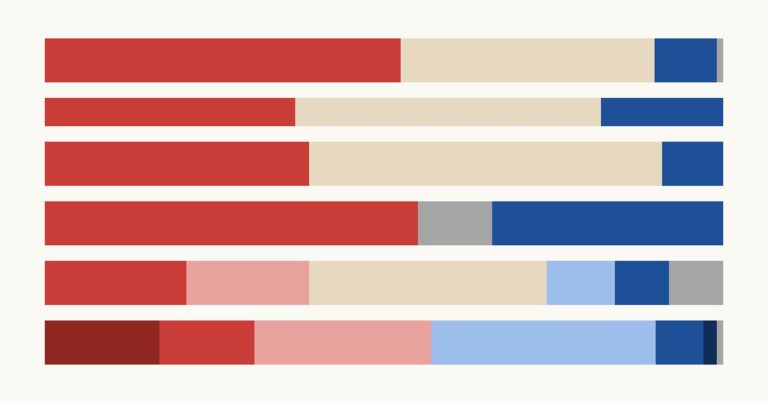
On September 30, 2026, I testified to the Senate Subcommittee on Disaster Management, District of Columbia, and Census.
Σας προσκαλούμε στη φετινή διοργάνωση του The Lyceum Project, της διεπιστημονικής πρωτοβουλίας όπου η Φιλοσοφία συναντά την Τεχνητή Νοημοσύνη. The post The Lyceum Project 2026, Αλληλένδετη Νοημοσύνη: Έμβια. Προγονική. Τεχνητή. appeared first on Special Secretariat of Foresight .
Κείμενο του Ειδικού Γραμματέα Μακροπρόθεσμου Σχεδιασμού, κ. Γιάννη Μαστρογεωργίου, περιλαμβάνεται στη συλλεκτική έκδοση της «Ναυτεμπορικής» με τίτλο «Στο μυαλό των Ελλήνων διανοητών», η οποία συγκεντρώνει παρεμβάσεις διακεκριμένων προσωπικοτήτων από την ακαδημαϊκή και επιστημονική κοινότητα, τον πολιτισμό, την οικονομία και την πολιτική. The post Κείμενο Ε.Γ. Μακροπρόθεσμου Σχεδιασμού στη συλλεκτική έκδοση της «Ναυτεμπορικής» για τη σύγχρονη…
4–9 July 2027 | Soeterbeeck, Radboud University | Ravenstein, the Netherlands About the GREATLEAP Summer Incubator Historical individual-level cause-of-death databases have expanded rapidly over the past decade, creating unprecedented opportunities…

The Austrian Society for Eighteenth-century Studies invites outstanding early-career scholars in the humanities to submit applications for the Francis-Stephen Award 2027* for History and Culture of the Habsburg Monarchy in the Eighteenth Century Eligible submissions are doctoral DISSERTATIONS (post-graduate theses) or works of equivalent scholarly significance about the Habsburg monarchy during the eighteenth century. Submissions…
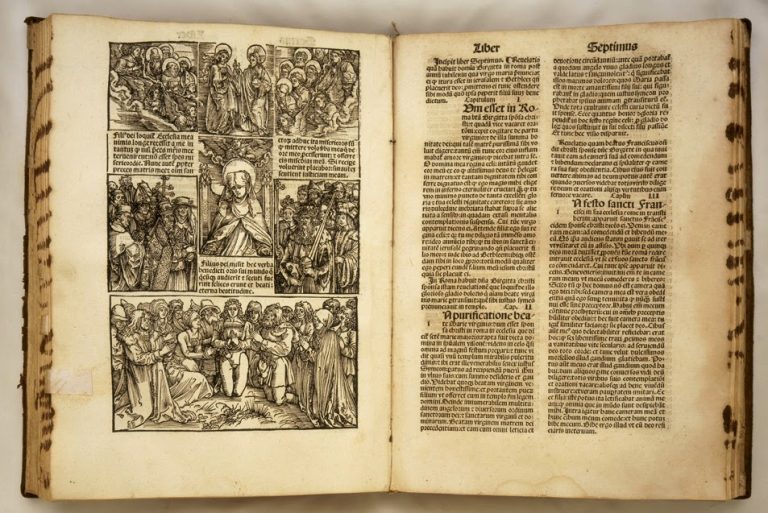
Dear Action Members, the COST Actions invite proposals for (a) shared session(s) on the topic of “Shared Book Histories: Mobility, Exchange, Interaction and Co-habitation before 1550” during the conference “Recovering Book Histories: MSS and Printed Books from 1350-1550” – EARLY BOOK SOCIETY MEETING POITIERS, FRANCE, June 7–11, 2027 (see https://earlybooksociety.org/conferences-2/). The deadline is 30 November…


Genetic diversity is a key component of the Kunming-Montreal Global Biodiversity Framework, yet many countries are unsure how to monitor and report on it. The good news is that assessing genetic diversity does not always require DNA data. Existing information on population size, distribution, abundance, and species monitoring can often provide the basis for reporting…
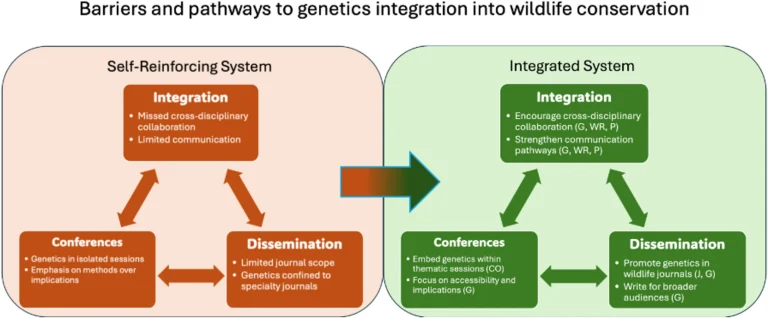
Abstract The value of genetics for informing wildlife conservation is well recognised, yet its routine integration into applied wildlife ecology and management remains limited. This persistent “conservation genetics gap” is reflected not only between wildlife geneticists and practitioners, but also between genetics and other wildlife research. Such a divide can be detrimental to wildlife conservation…