In the clear turquoise waters off Limassol, Cyprus, divers are monitoring the condition of seagrass to assess the health of the local coastal ecosystem. Their work is part of a wider effort to understand how Europe’s shores are changing and how best to protect them.“The majority of the world’s population lives close to the coast,…
Science News

COST Action Interdisciplinarity Graph
Explore how COST Actions from the CA22xxx to CA25xxx cohorts connect across the OECD fields of science.
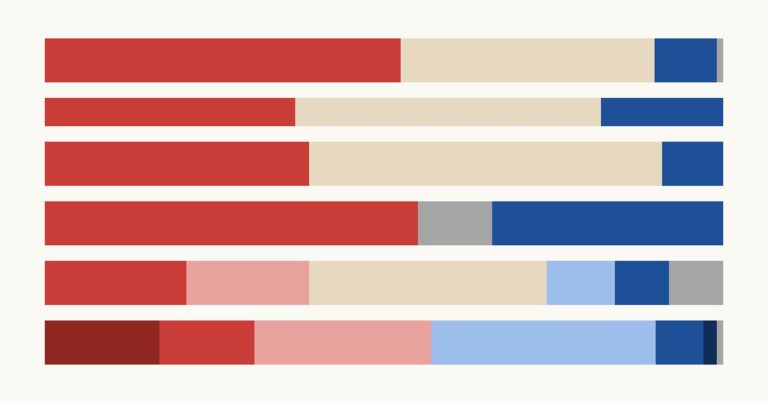
Five high-quality surveys ask about AI in different ways. Their wording matters, but the overall picture is consistent.
At first glance, planting strips of faba beans alongside rows of apple trees might seem an unusual way to fight an insect infestation. But in French orchards, researchers are testing whether simply giving nature a helping hand could be enough to protect apple trees against one of growers’ most troublesome pests – the rosy apple…
On wind farms from Denmark to the Canary Islands, turbine blades face an unlikely enemy: rain. Their tips can reach 360 km/h, and at that speed, raindrops can gradually wear away the leading edge of a blade. Worn blades produce less electricity, just as Europe leans more on wind for its clean energy.Rain is not…
Permanent magnets are a key component of most electric car traction motors, which turn the wheels, and of many wind turbine generators. Clean energy and clean technology increasingly depend on them. Yet Europe is vulnerable to disruptions in their supply chain.“They are kind of indispensable for the energy transition,” said Alexandre Damiens, a magnets and…
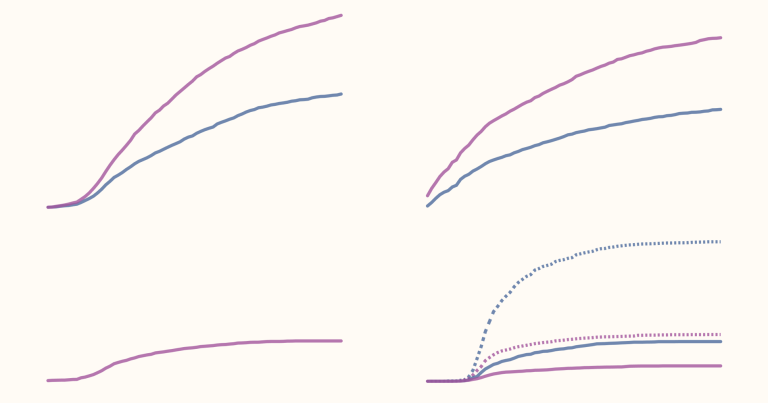
What is someone’s risk of developing depression, anxiety, or other mental health issues at some point in their life?
When a humble dung beetle arrives at a patch of manure, it forms the dung into a ball and rolls it away in a straight line, putting distance between its food and competitors. That may sound simple, but there is much more to it than meets the eye.
When the wind drops or clouds block the sun, Europe’s electricity system needs other sources of energy that can respond to changing demand. Hydropower can play an important role here. Hydropower plants can increase or lower output as demand shifts, while some can store water to generate electricity later, when it is needed most.
Plants have been doing something remarkably sophisticated for hundreds of millions of years. By capturing sunlight, leaves convert its energy into chemical energy that can be stored and used later.Inspired by this natural process, a team of European researchers has spent nearly four years developing a system that uses sunlight to split water, producing green…

Around one-fifth of development aid is spent on climate-related projects. But what does climate-related mean, and does it crowd out other aid projects?