
The community
The Greek Scientists Society
The Greek Scientists Society (GSS) is a non-profit organisation originated in Cambridge, UK in December 2020, reaching 30,000 members in just two years. Its mission is to support scientific communities across Greece, Cyprus, and the Diaspora, and to advance a Greek scientific paradigm: the inheritance of ancient Greek thought, whose ethical inquiry, reasoned argument, and pursuit of knowledge for its own sake shaped the values Western science still works by. In practice this means work grounded in ethics and open to innovation at once: treating the translation of science into policy and real-world application as a structured practice rather than an afterthought.
Since then we have built a set of platforms, events, and services to support the research community, developed and funded from our own resources and offered to research networks at no cost.
GSS connects today more than 33,000 scientists and technologists worldwide, across academia, industry, clinical practice, public institutions, and policy.
Since September 2024, the Society has migrated this model from a primarily Greek frame to a European one, on the view that translation, regulatory relevance, and post-research uptake are addressed most effectively at European scale. The COST Association, with its emphasis on networking and excellence, has proved to be the natural environment for this work: a structure where research communities, stakeholder bodies, and policy actors already share the same table.
The community online
The LinkedIn community
The GSS presence on LinkedIn carries much of the community's day-to-day exchange, and is the quickest route to a scientific audience across academia, industry, and policy. Our group brings together Greek researchers, industry practitioners, and policy actors who follow developments across disciplines rather than within a single field.
We are glad to share an Action's news and outputs there, along with its calls for events, new members, and job placements, which reach an audience already oriented toward European research and its uptake.
On record
GSS symposia, conferences, and webinars
Our YouTube channel holds recordings of past symposia, conferences, webinars, and community sessions, so the formats we run can be seen in practice rather than described.
Methodology to impact
From Mapping to Impact
The platforms, the tools, and the team all serve a way of working. Most stakeholder engagement in research networks follows a familiar pattern: meeting, discussion, report, archive. Outputs accumulate but rarely reach the channels where decisions are made, because engagement is organised as a series of events rather than as a sequence with a destination.
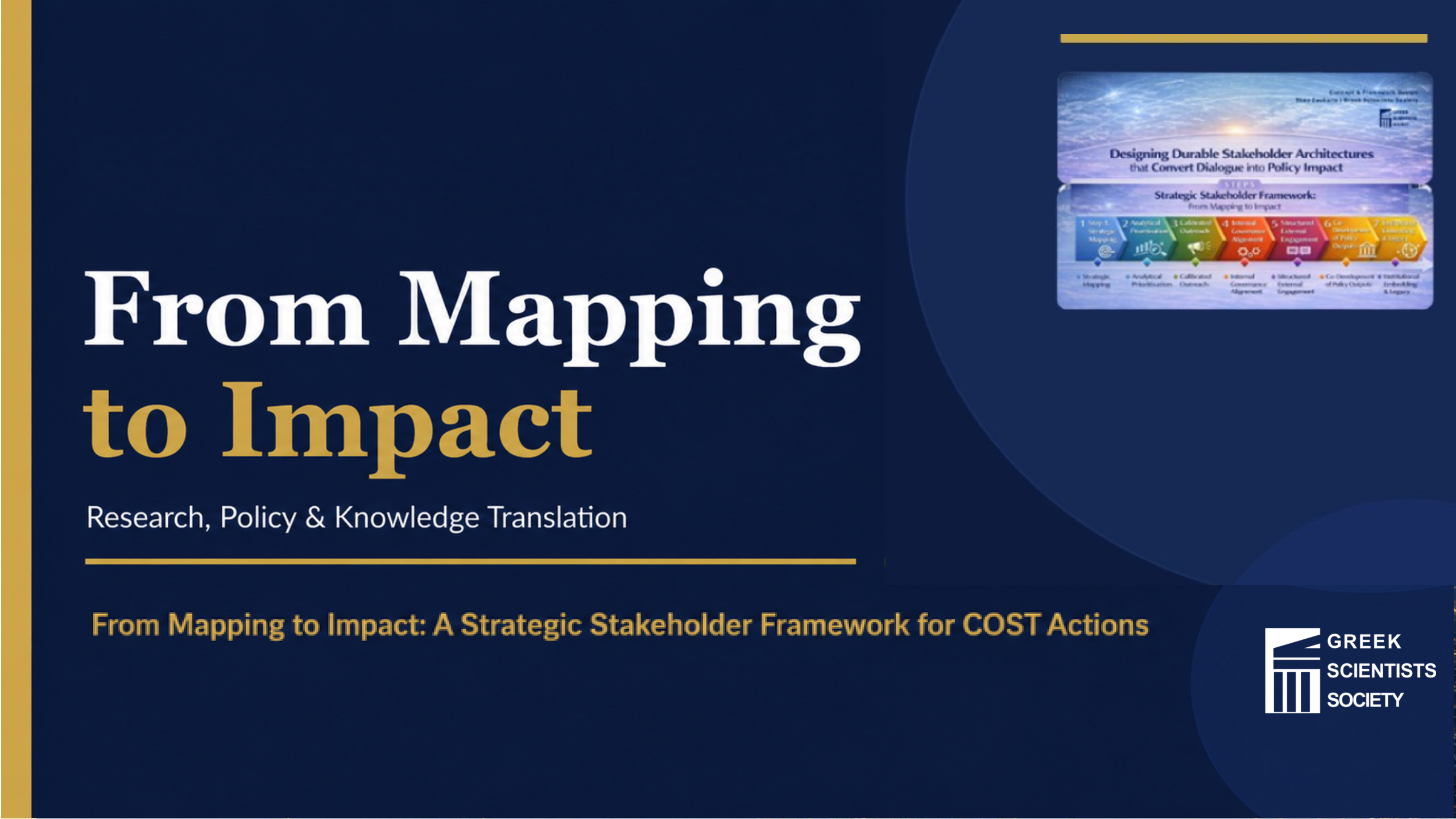
From Mapping to Impact is a stakeholder impact methodology developed for COST Actions, built on one principle: from MoU to Legacy. Each stage produces a defined output that feeds the next, carrying an Action from its founding stakeholder mapping through analysis, calibrated outreach, and co-developed policy products, to institutional embedding and post-Action continuity.
The objective is not participation but structured co-development, policy translation, and long-term legacy. It adapts to an Action's grant period, Working Groups, and level of policy ambition, working as readily for an Action focused on a single Directive review as for one operating across several regulatory layers.
The full architecture, the seven steps, and worked applications across Actions are set out on the framework page.

The published method
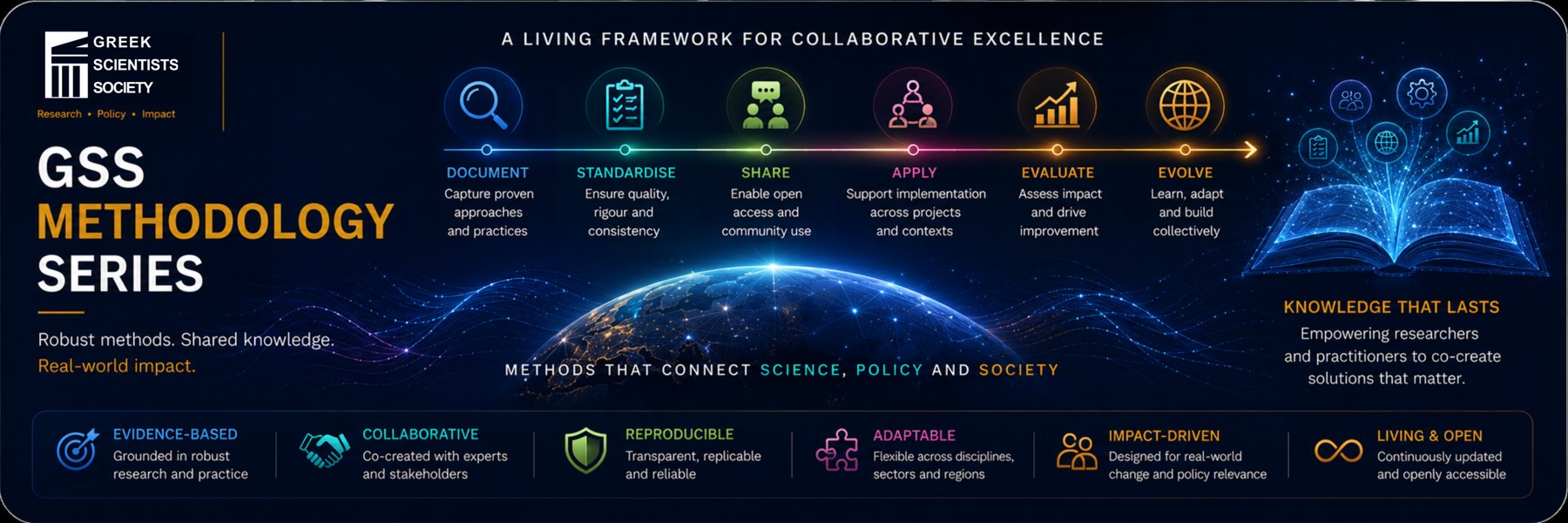
The GSS methodology series
The method is published in full and openly, as four pages that can be read in any order. One aim runs through all of them: that when an Action ends, something remains. Each framework approaches that aim along a different axis, and each has been applied in live COST Actions before being written down.
Start here: the series
The overview. What the series aims to do, how the three frameworks connect, and where a network should start depending on where it is in its mandate.
01 · From MoU to Legacy
The time axis. Seven steps from stakeholder mapping through calibrated outreach and internal alignment to a co-developed policy output and its institutional embedding, each producing what the next one needs.
02 · From Mapping to Impact
The structure axis. Turning a stakeholder list into a prioritised, MoU anchored engagement plan, with every entry traced to a section of the agreement and scored by a team rather than by one person.
03 · The Innovation Atlas
The record axis. Five layers over one taxonomy: people, themes, assets, stakeholders and opportunities, held as capital that can be converted rather than as a directory.
The framework in practice
The webinar series
The methodology is opened up to the wider COST community through a webinar-to-action series. Session 1 introduced the architecture.
What follows is a plan rather than a programme. The intention is that the thematic sessions are co-developed with the COST Actions whose work sits at the centre of each theme, rather than delivered as pre-designed content. Nothing beyond Session 1 has been fixed: the themes, the schedule, and the sub-series will take shape around the Actions that choose to take part.
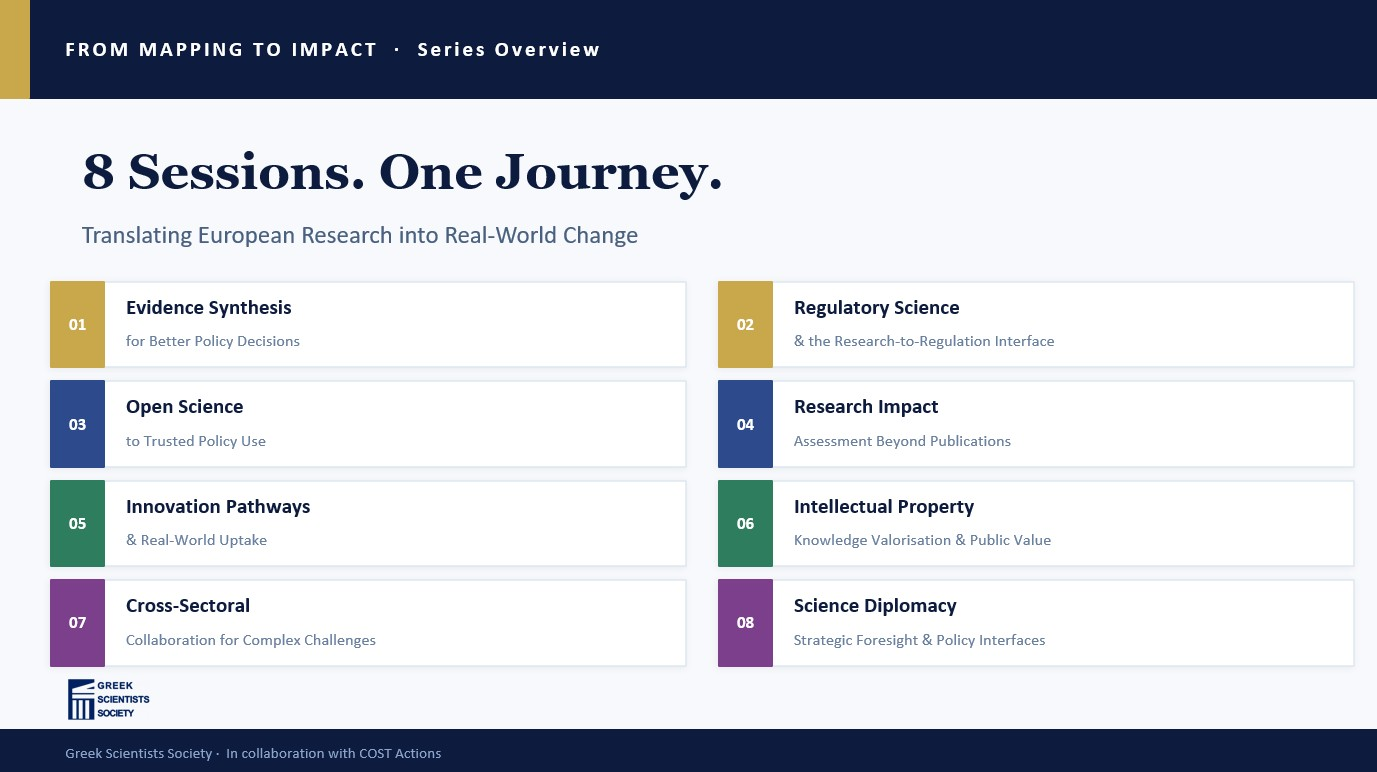
The eight themes
Evidence Synthesis for Better Policy Decisions
How systematic reviews, rapid reviews, living evidence, and knowledge synthesis support legislation, implementation, guidelines, and public investment decisions, speaking directly to decision quality.
Regulatory Science and the Research-to-Regulation Interface
How emerging research becomes usable for agencies, standards bodies, ministries, and EU institutions; how to frame evidence for regulators; and how researchers can anticipate validation, safety, and implementation needs.
From Open Science to Trusted Policy Use
Open science, FAIR practices, metadata, interoperability, and reproducibility as prerequisites for evidence that policymakers and agencies can actually use, within the EU data-space agenda and its link to the European Health Data Space.
Research Impact Assessment Beyond Publications
How to define, evidence, and communicate policy, regulatory, societal, and institutional impact, a question that concerns research communities and funders alike.
Innovation Pathways and Real-World Uptake
How discoveries move from project outputs into pilots, guidelines, procurement, standards, start-ups, adoption pathways, and public-sector use.
Intellectual Property, Knowledge Valorisation, and Public Value
Translation without losing public-interest orientation, for research offices, innovation teams, and policymakers.
Cross-Sectoral Collaboration for Complex Challenges
How academia, regulators, civil society, industry, cities, ministries, and agencies work together around mission-oriented problems.
Science Diplomacy, Strategic Foresight, and International Policy Interfaces
Connected to the Κos Σcience Φorum, and to the Commission's recent recommendation on a more coherent EU approach to science diplomacy.
This is an open invitation. Where an Action's work intersects one of the themes, we would welcome a conversation about building that session together.
Finding your neighbours
The COST Action Interdisciplinarity Graph
Actions working on adjacent problems from different disciplines rarely meet, because nothing tells them they are neighbours. GSS built this knowledge graph to close that gap: every Action from CA22XXX to CA25XXX, positioned by the fields, themes and methods they share rather than by the panel that funded them.
Find the Actions closest to your own, identify candidate partners and alliances, decide who is worth inviting to a stakeholder meeting or a training school, and see which joint endeavour would carry more weight than a solo one. Anyone may cite it and reuse it.
COST Action Interdisciplinarity Graph · full screen · DOI: 10.5281/zenodo.22141909 · Greek Scientists Society
Our platforms
Platforms and solutions
GSS has developed a set of community-facing platforms for its members. They are made available to research and innovation networks free of charge, and an Action can use any of them without setup cost or licensing.
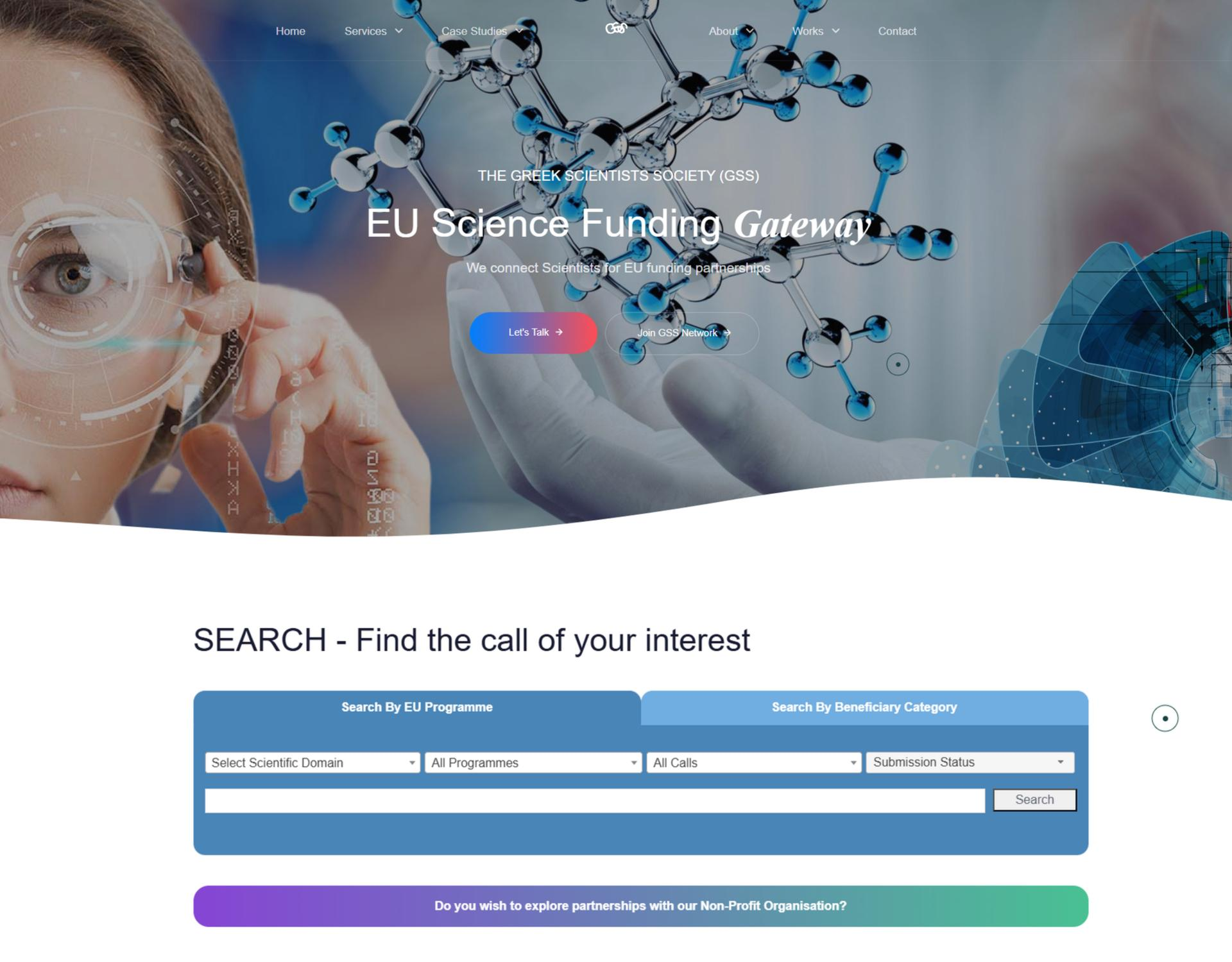
GSS EU Funding Gateway
A free-access portal to open EU Programme calls, filterable by scientific domain and by beneficiary type, so an Action can identify follow-up funding without working through the full call landscape. Where GSS is eligible we can join proposals as a partner, contributing to Section 2, Impact, and leading relevant Work Packages, with no consultancy fees.
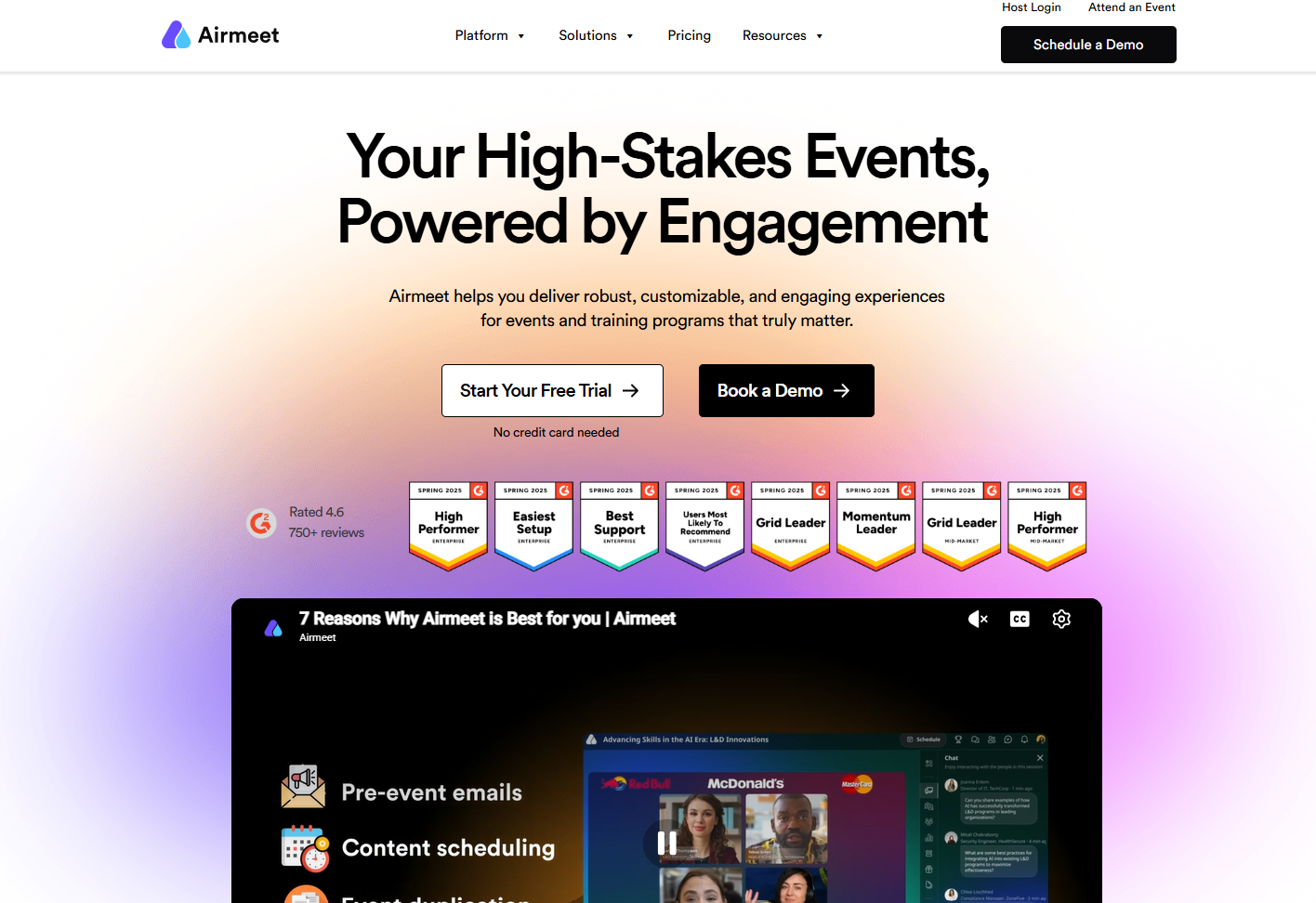
Event platform
Actions are welcome to host their own webinars and hybrid sessions here, with our compliments: advanced networking capabilities including lounges with per-Action tables, breakout rooms, exhibition arenas, and one-to-one exchange spaces. The format matters for stakeholder work, since it lets researchers, policymakers, and regulators meet as participants rather than as an audience watching a webinar. Read more.
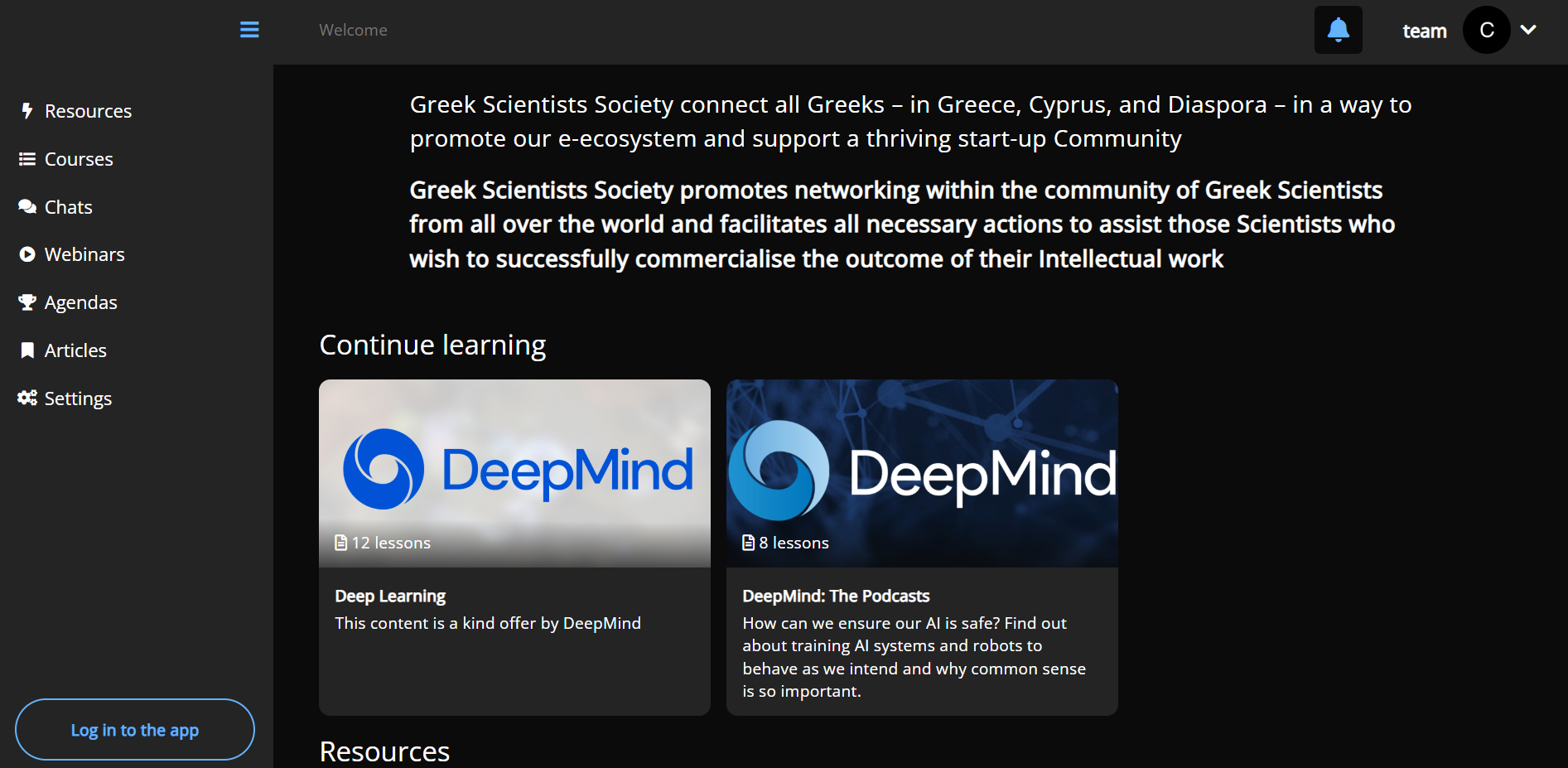
Knowledge platform
Hosts an Action's training school recordings, Working Group outputs, capacity-building modules, and quizzes, with registration and engagement tracking. It gives a training school a second life after the live event, and gives an Action's own materials somewhere to live.
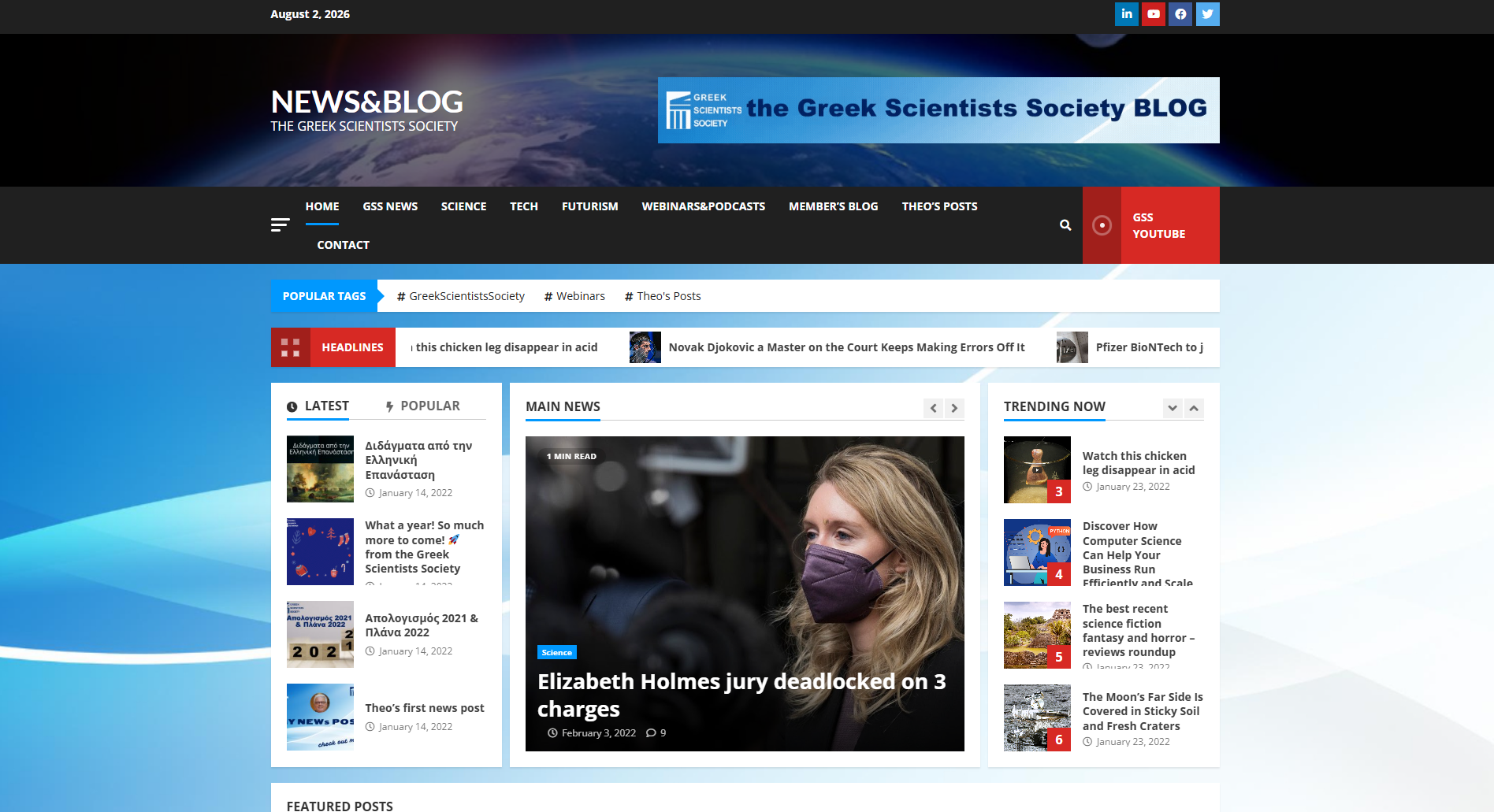
News & Blog
Publish news, milestones, calls, training school announcements, and opinion pieces, disseminated across our community and channels to a qualified scientific readership.
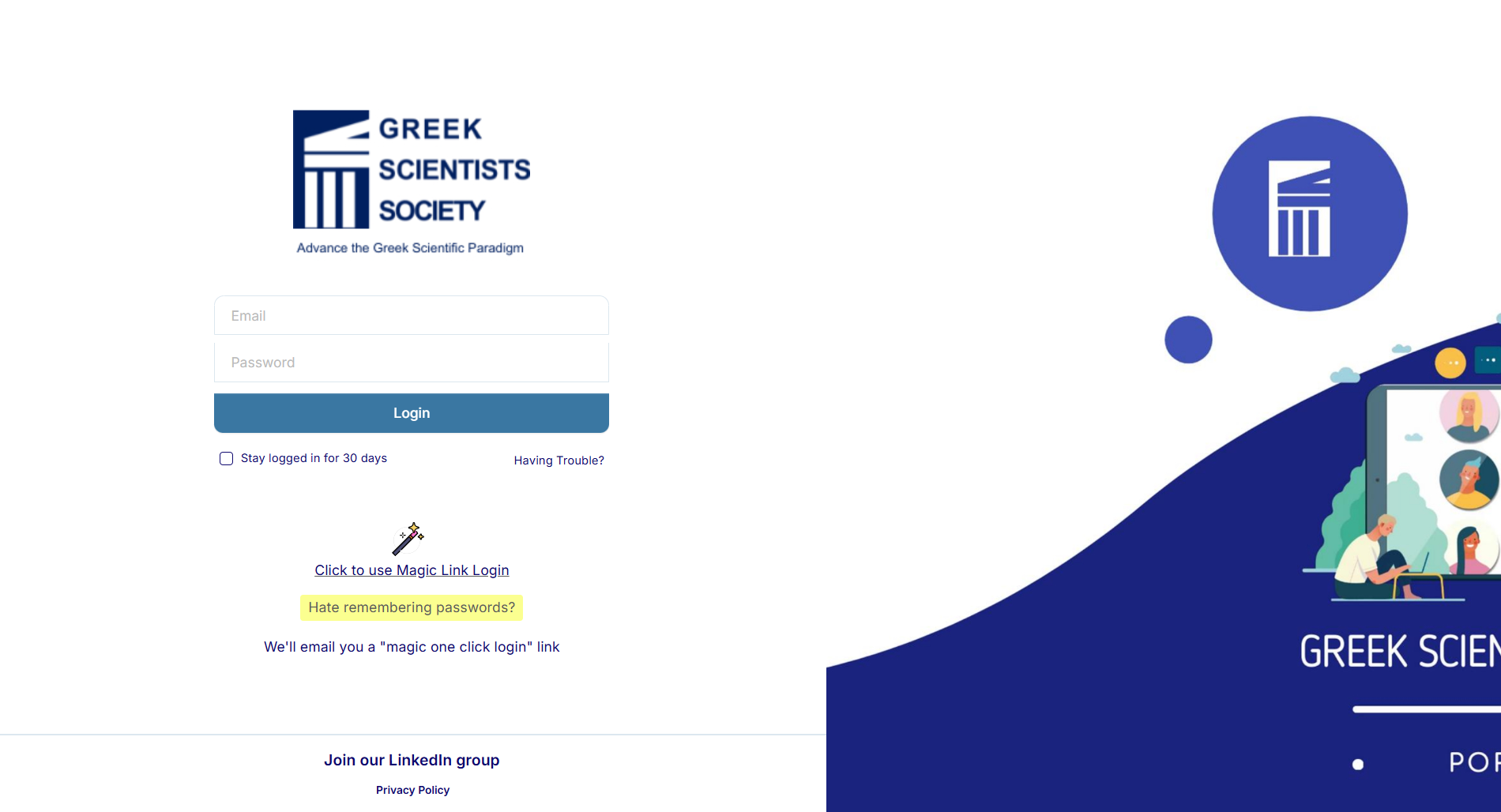
Community Portal
Secure messaging, file storage, task and calendar management, private groups for Working Groups, and video collaboration.
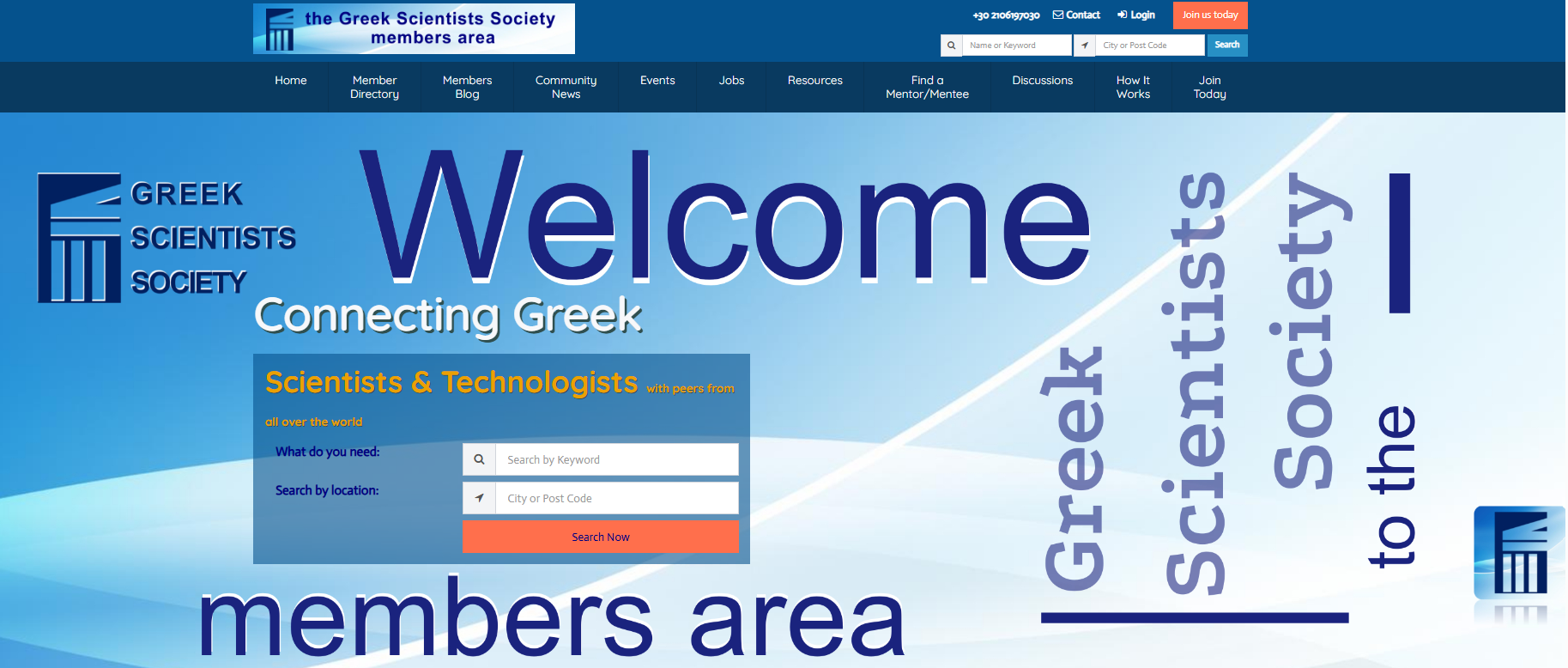
Members platform
Connects the wider GSS community across thematic groups and initiatives, and is the route by which an Action's calls reach people outside its own consortium.
Working together on a grant application
If an Action or its partners are preparing a submission and would like GSS involved, the short form alongside registers the interest and the call in question, and we follow up from there.
Built for Actions
GSS at work
Three things GSS can develop for an Action, each shown here as something already built rather than as an offer in principle. All three are delivered at no cost to the Action budget, and each remains the Action's own.
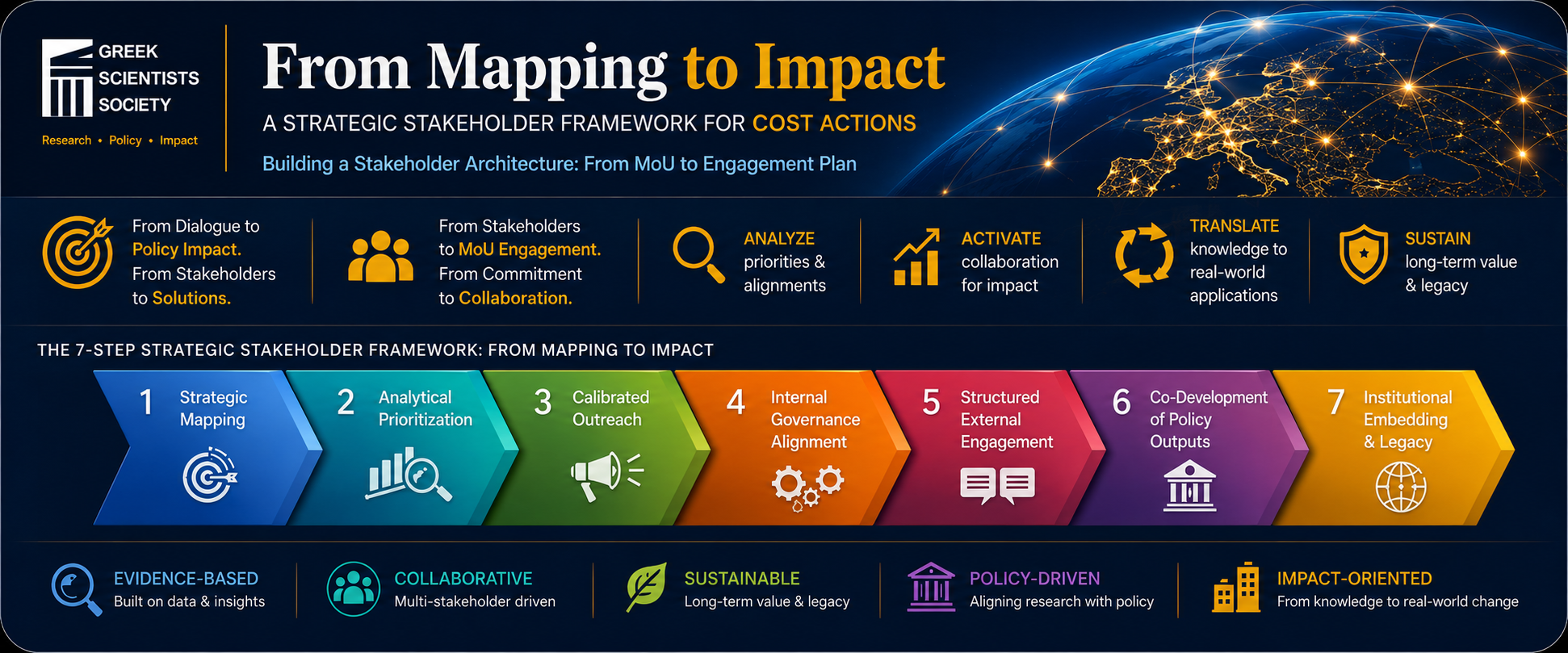
Stakeholder analysis
A prioritised stakeholder architecture: who shapes decisions, standards, funding and implementation, positioned on the quadruple helix, traced to the MoU, and scored with the Working Groups rather than for them. Delivered as a working register and a sequenced engagement plan.
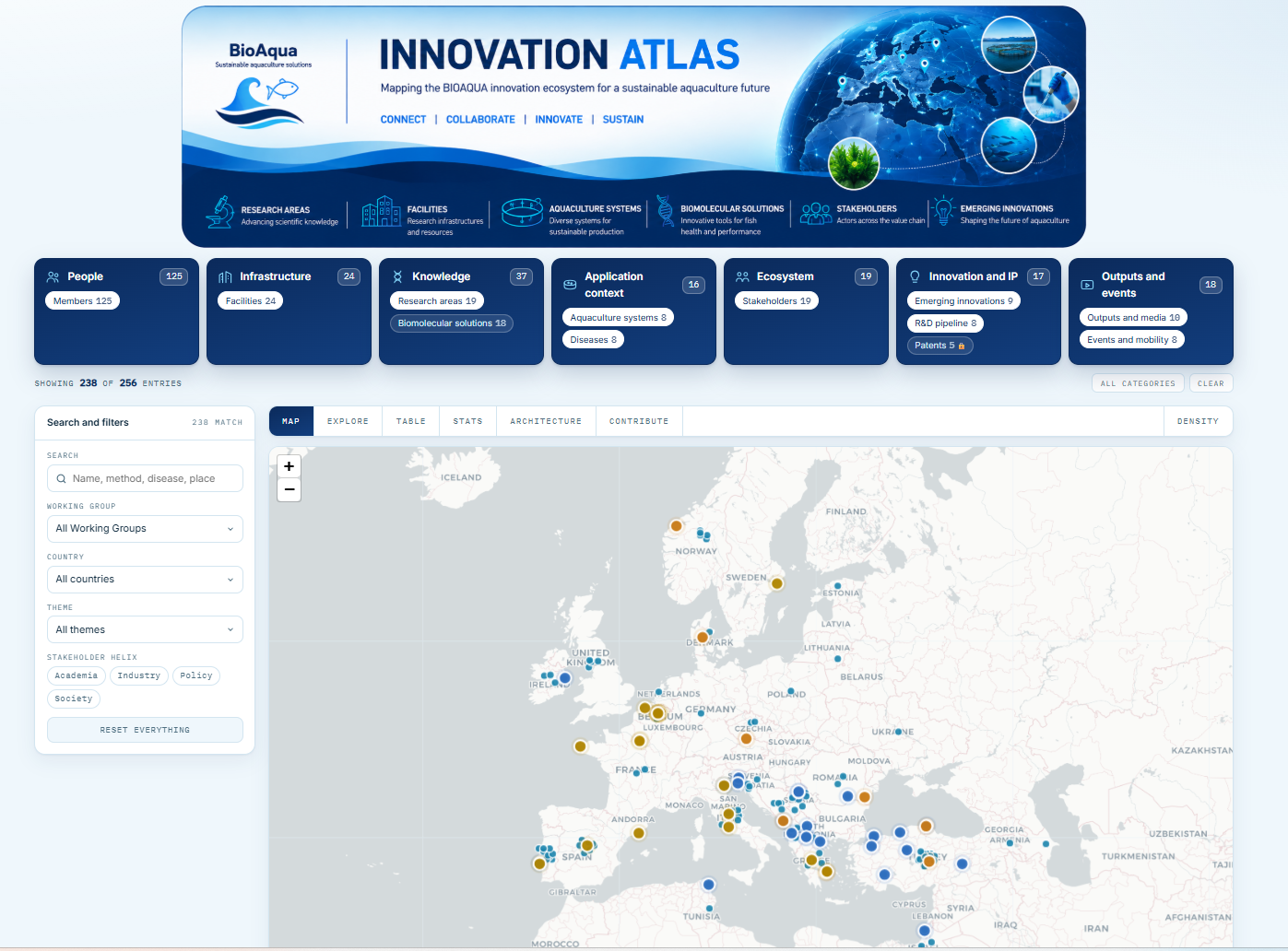
An Innovation Atlas
An interactive map of what the Action holds: members and expertise, themes, infrastructures, stakeholders and the opportunities in progress, built from the roster and the MoU and then maintained by the members themselves. The BioAqua Atlas shown here is the first deployment and is still under development.
A working database
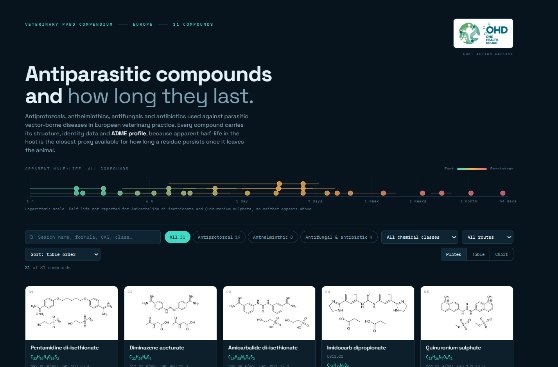
Where an Action generates structured data, GSS can build the instrument that makes it usable and citable: searchable, filterable, open where it should be and restricted where it must be. The compound explorer developed with CA21111 OneHealthDrugs is a live example.
With our compliments
Host your Action's events on our platform
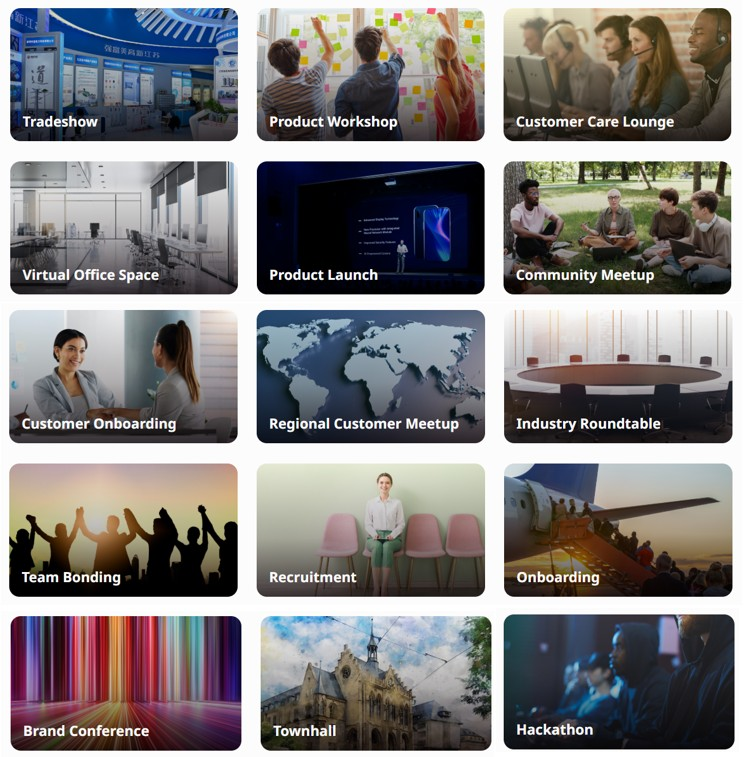
We would be very glad to host any capacity-building activity, virtual event, or community session organised by an Action on our event platform, entirely with our compliments.
The platform supports a wide range of formats, from workshops and community meetups to industry roundtables, exhibition arenas, town halls, and hackathons, each designed for a particular kind of engagement. Beyond format diversity, it offers advanced networking capabilities that allow researchers, policymakers, regulators, innovators, and stakeholder representatives to exchange ideas as equals, sitting at the same table.
For illustration, our Kinesis Innovation Center (KIC) community activities offer one example of how this type of session is hosted on the platform, and how a community can be built around it rather than convened once.
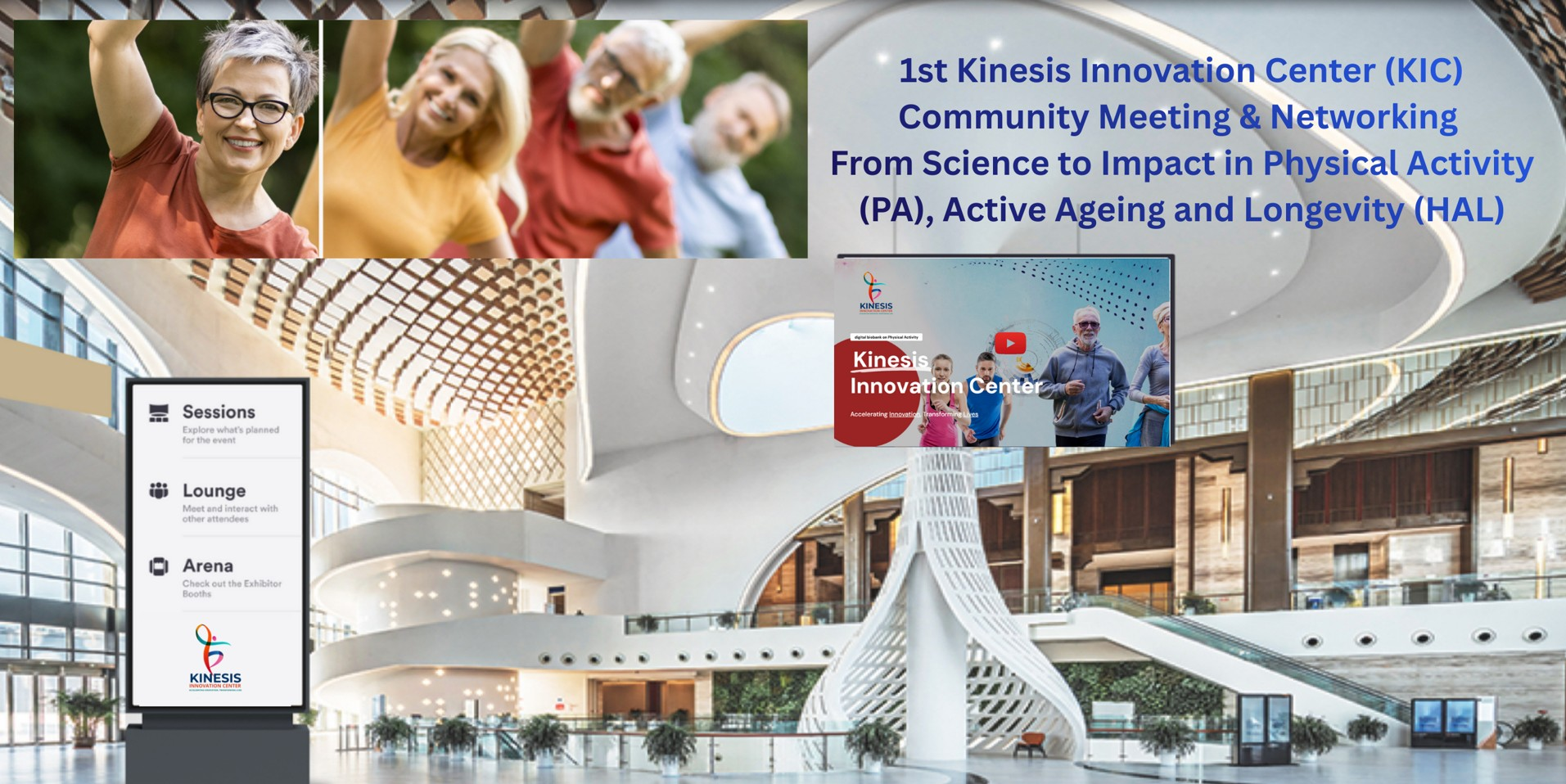
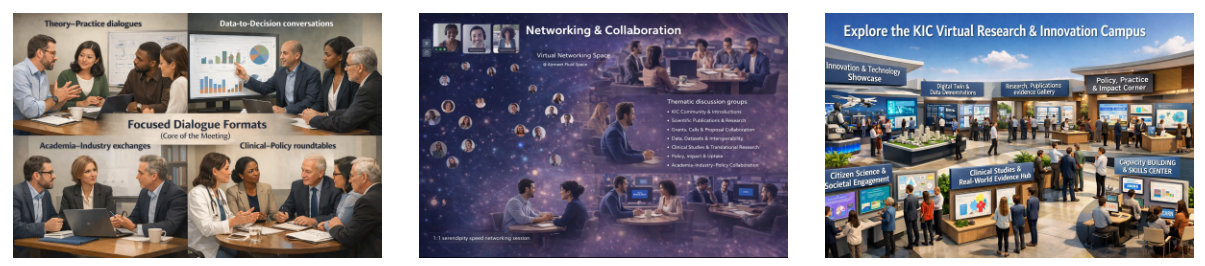
KIC is a Post-Action Sustainability Project of CA20104 PhysAgeNet, and what we have built around it is a complete ecosystem rather than a series of one-off events: a virtual research and innovation campus organised around thematic spaces, a networking and collaboration layer with structured thematic discussion groups, and a community that returns across sessions, builds connections, and accumulates shared knowledge over time. Explore more below.
Exploitation services and pathways
Securing funding, hiring, and continuity
Once an Action's work starts moving outward, needs arise that no dissemination platform answers. They belong to exploitation: the point where results stop being outputs and become something someone has to fund, staff, or house.
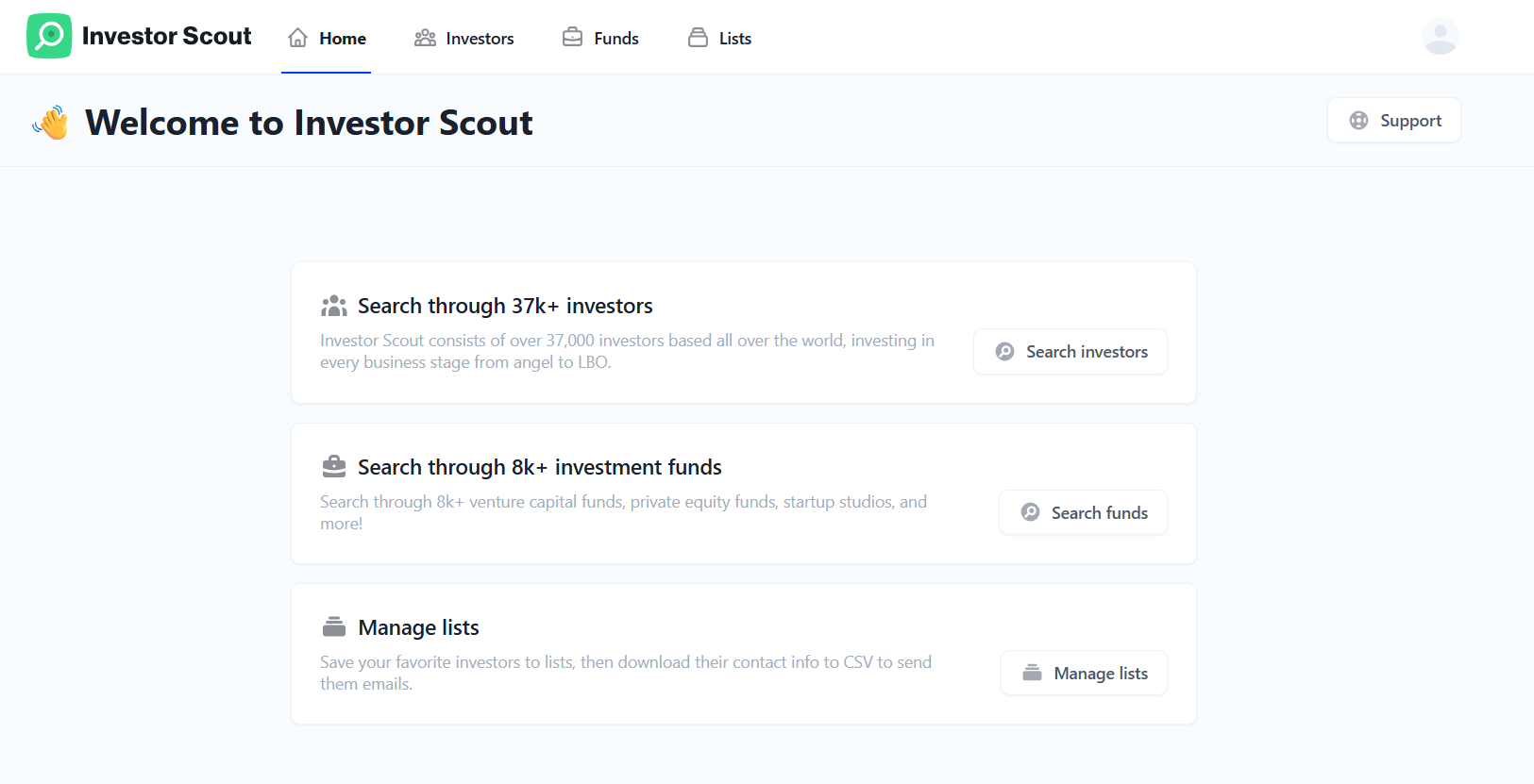
Securing funding
When exploitation produces a spin-off rather than a paper, the question becomes who would fund it. InvestorScout shortens the search for suitable investors for spin-offs, spin-outs, and follow-up ventures. It complements the grant route through the Funding Gateway: one for public funding, the other for private. We provide the contacts at no cost, and where useful we take part in securing the funding rather than handing over a list.
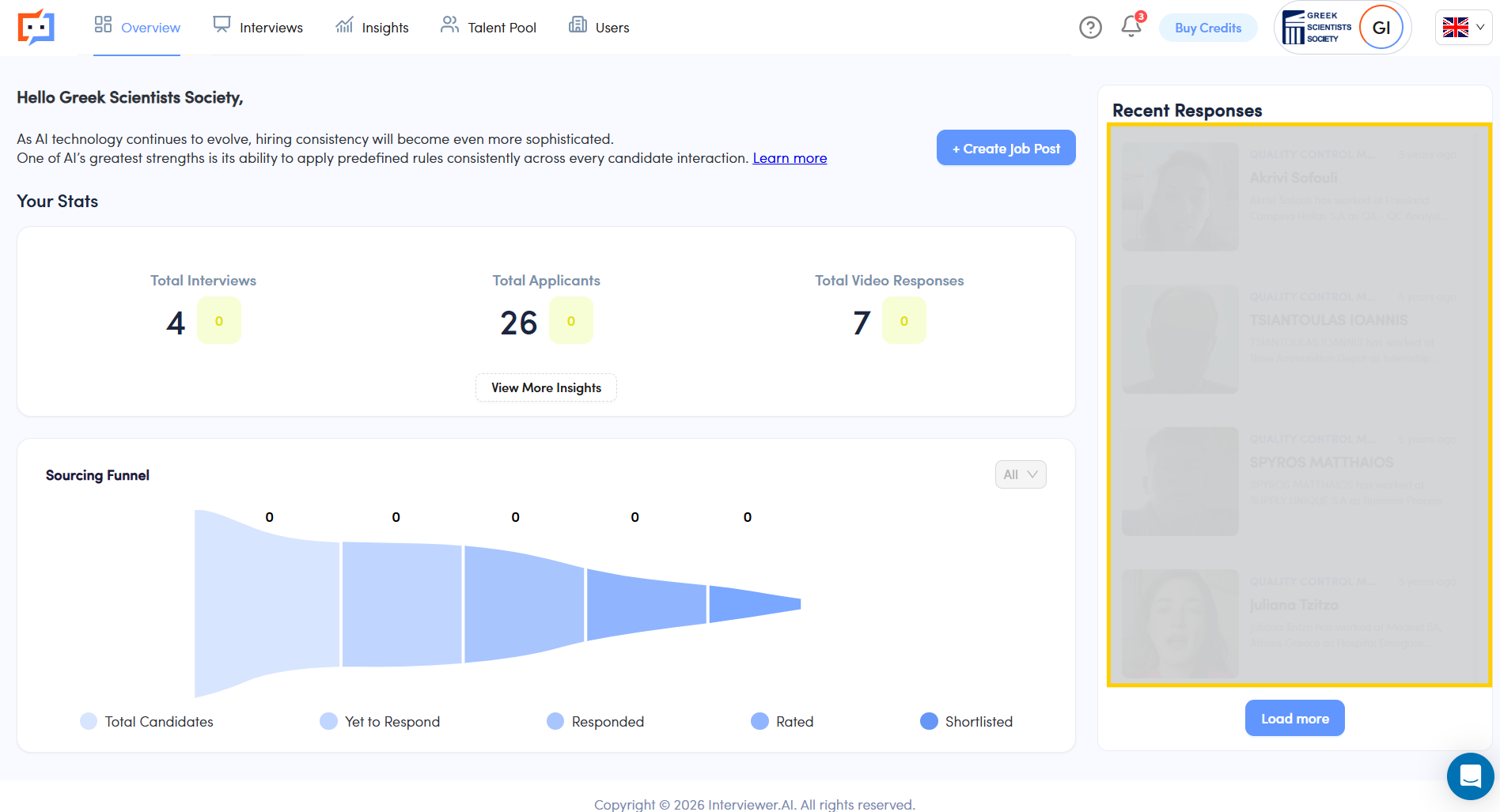
Hiring
Exploitation is staffed before it is financed, from the post-doc who carries the research forward, to co-founders for a startup idea, to the team a venture hires as it scales. Each draws a wide international field that has to be narrowed. Interviewer.ai runs structured AI video interviews, giving a consistent, comparable first round for labs, university groups, research infrastructures, ventures, and PASP entities, and equally for student admissions and evaluations. Fees may apply for this solution only, depending on our own charge for it.
Continuity
Exploitation does not always take the form of a company. Where the right vehicle is a non-profit, GSS is directly involved in establishing and running Post-Action Sustainability Projects, as with the Kinesis Innovation Center, the PASP of CA20104 PhysAgeNet. Explore more below.
Behind the work
The tools we deliver with
A licensed toolset used across our own operations and available for work with an Action, so no procurement, licensing, or training is needed on the Action's side.
Data collection, member mapping, and feedback instruments with analysis built in.
Multilingual voiceovers for training capsules and accessible versions of written outputs.
Indicative rather than exhaustive. Where an Action has its own preferred tooling, we work within it.
Operational support
How our team can assist an Action
The platforms and tools above are only useful if someone is doing the work. Our team supports the operations of the GSS community, and can take on the same functions for an Action.
Becoming organic members of the Action
The area where we contribute most. Members of our Stakeholders team can join an Action formally, as members rather than as an external service, supporting stakeholder mapping, outreach to professional societies, regulators, policy bodies, industry, NGOs, and civil society, and the preparation of engagement materials, and connecting the Action into the policy channels GSS already engages with at European level.
This is the working application of the From Mapping to Impact methodology: not a report handed over, but people inside the Action's own structures.
Website development and management
Development and maintenance of a dedicated site for an Action's updates, outputs, and events, built to strengthen communication among members, engage stakeholders, and keep the Action visible across its lifecycle. Unlike the platforms above, website development is a paid service, generally covered from the Action's own budget under the relevant category in the COST rules.
Samples of our work for other COST Actions
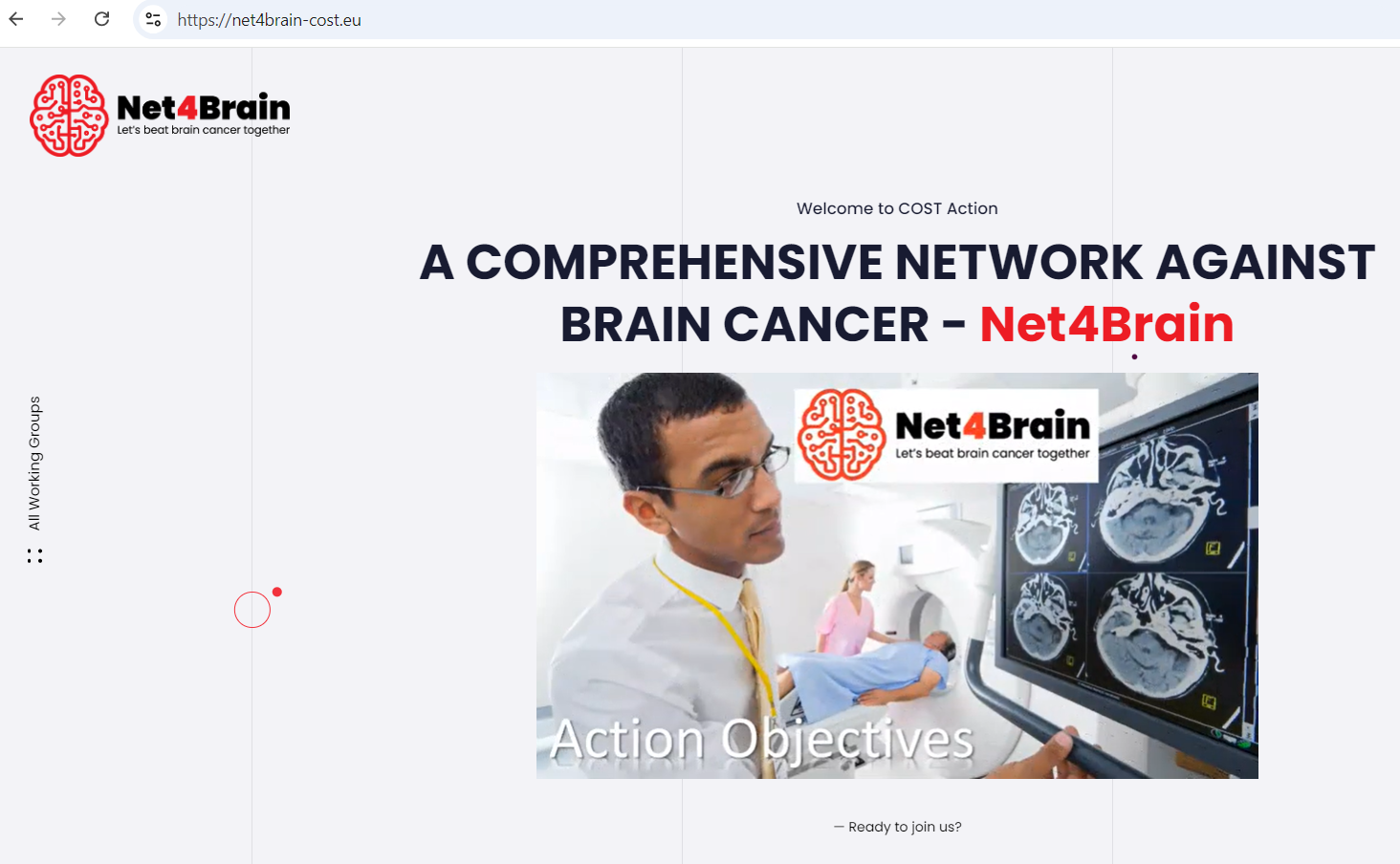
Virtual Networking Support (VNS)
Organising online events that connect researchers, industry partners, and stakeholders across borders. Beyond the standard VNS responsibilities, our team can deliver a wider set of services within the VNS budget. One example is a VNS position acting as a Strategic Collaboration Liaison between an Action's Working Groups.
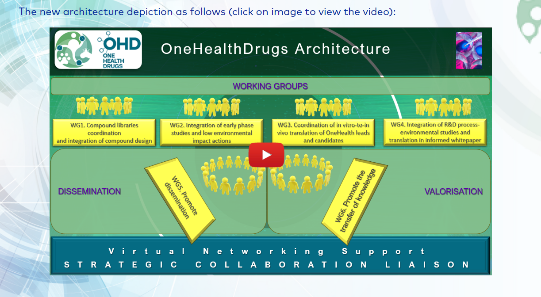
A VNS example structured as a Strategic Collaboration Liaison across Working Groups, from the OneHealthDrugs Action. The liaison sits between the Working Groups rather than downstream of them, so dissemination and valorisation are shaped while the science is still moving, instead of being handled once results are already fixed.
More services
Community building
Growing and engaging networks through social media, particularly LinkedIn. The same approach that built the GSS community can widen an Action's dissemination reach.
Surveys and forms
Customised instruments to map consortium members, track publications and IPRs, gather structured input, and share files across a network.
Newsletters
Designed and distributed through an email platform with engagement statistics, including open-rate analytics and automatic resends to unopened recipients.
Video and audio
Production for dissemination and stakeholder engagement, including work featured on the official COST blog, plus voiceovers and soundtracks for training material.
Events and webinars
Workshops, training schools, conferences, and policy roundtables. From logistics to stakeholder invitations and on-site coordination, including media coverage and targeted outreach.
A policy-oriented session
If an Action has no policy-facing session planned, we are glad to co-organise a focused discussion on stakeholder engagement and policy impact, built around the Action's own context.
Beyond the grant period
Post-Action Sustainability Projects
An Action ends. The community, the data, and the relationships built around it do not have to. A Post-Action Sustainability Project (PASP) is a structure that carries an Action's outputs forward once funding closes: a home for the evidence base, a channel that stays open to policy and industry, and a reason for the community to keep returning.
This is the final step of the From Mapping to Impact methodology, and the one most often left too late. The moment to design a PASP is early in the grant period, not in its final months.
Kinesis Innovation Center
The Kinesis Innovation Center (KIC) is our worked example: the PASP of CA20104 PhysAgeNet, developed around a digital biobank for physical activity, healthy ageing, and longevity, integrating AI, FAIR data principles, and citizen science methodologies. Headquartered in Greece with a European and global scope, it connects research, clinical practice, and policy across borders.
What has been built around it is an ecosystem rather than a series of one-off events: a virtual research and innovation campus organised around thematic spaces, a networking layer with structured discussion groups, and a community that returns across sessions and accumulates shared knowledge over time.
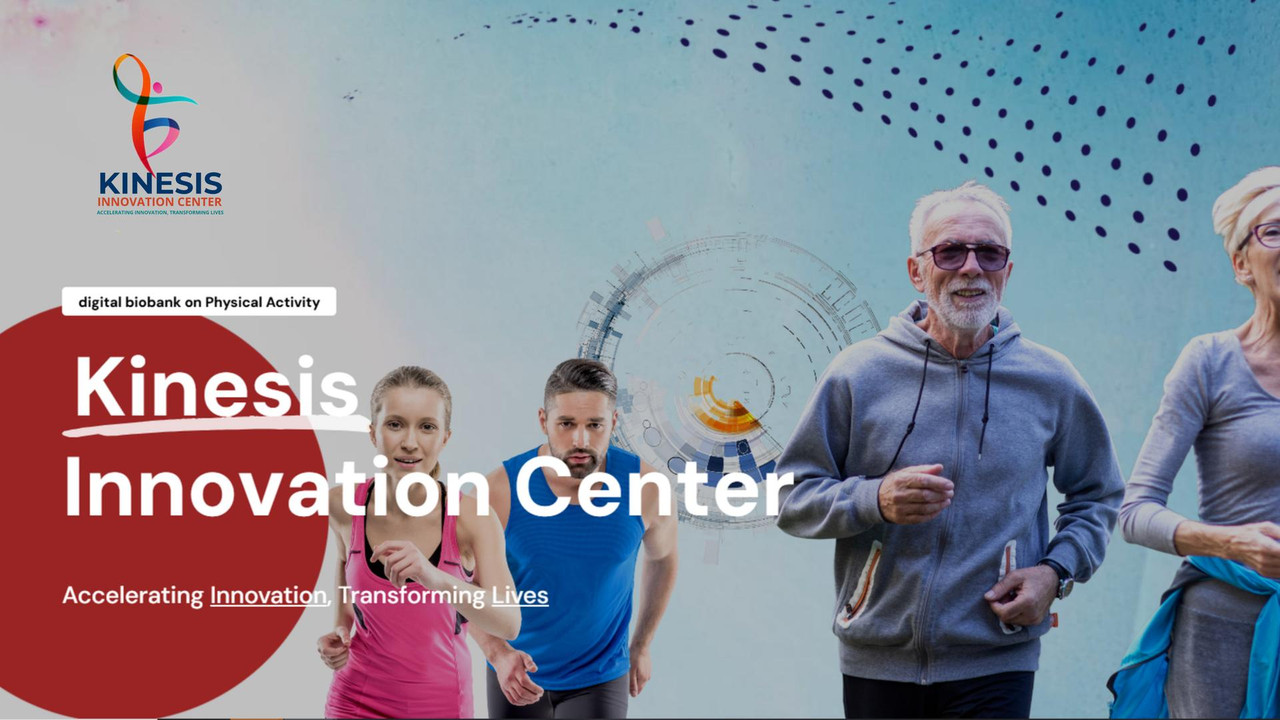
We are glad to talk through what a PASP might look like for a given Action, adapting the model to its own field, data, and stakeholder base.
In development
Science Diplomacy Forum
Κos Σcience Φorum · Hippocratic Dialogues: From Ancient Wisdom to Future Resilience
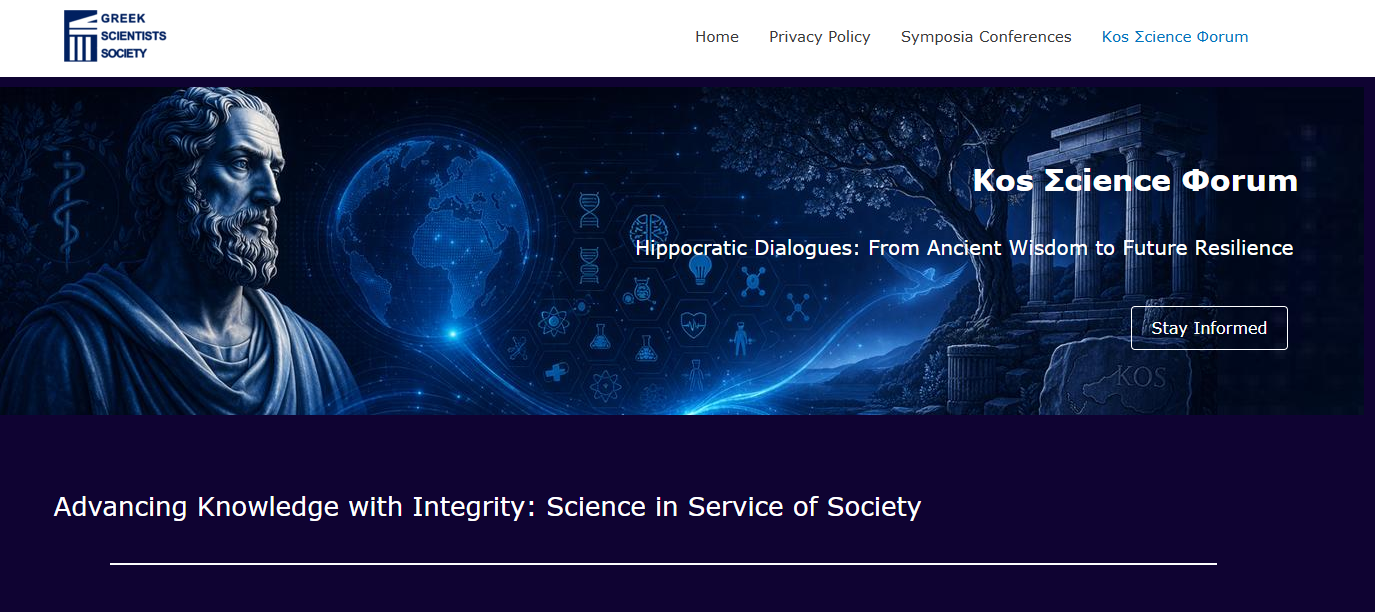
Together with the Institute of International Relations (IDIS) at Panteion University of Athens and the International Hippocratic Foundation of Kos, GSS is working towards the Κos Σcience Φorum (ΚΣΦ), a science diplomacy forum on the island of Kos, the birthplace of Hippocrates. A first edition is envisaged for June 2027, subject to sufficient interest from COST Actions and the wider research community.
The Κos Σcience Φorum convenes scientists, diplomats, policymakers, industry leaders, and civil society representatives to address urgent global challenges together, through evidence-based solutions and innovative partnerships. It is conceived as a space where interdisciplinary expertise, ethical frameworks, and diplomatic engagement converge, fostering knowledge exchange, actionable strategies, and networks that advance science-informed policy and responsible technological innovation worldwide.
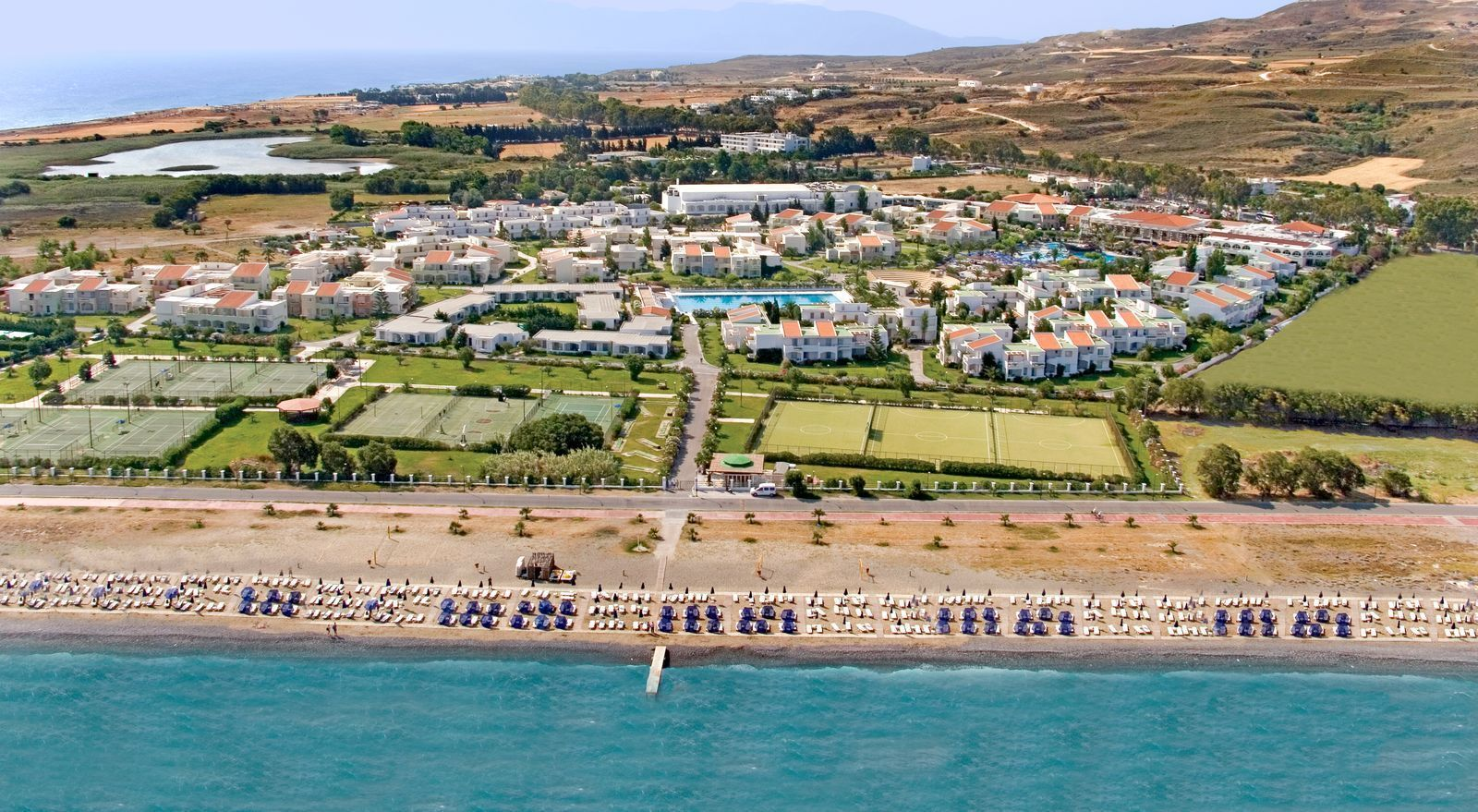
The venue would be the Kos International Conference Center, Greece's largest convention facility, on an island connected directly to major European capitals. Kos is served by direct flights from a number of European hubs through the season, which keeps travel straightforward for a distributed consortium.
For research networks
The Forum is conceived as a convening space rather than a conference to attend. Participating networks would organise satellite or standalone sessions, showcase innovations and findings, and engage directly with policymakers, industry leaders, and diplomatic representatives.
Global Meta-Themes
We are open to exploring co-development within the seven Global Meta-Themes that make up the Forum.
Holding an Action event on Kos
Separately, and more immediately, an Action considering where to hold a meeting, training school, or workshop might consider Kos. Where it does, we would look to go beyond the conventional format, pairing the scientific programme with the interactive elements being developed for the Forum, from policy sandbox sessions and technology transfer clinics to the walk-and-talk Agora of Ideas, in a setting where the history of ethical inquiry is part of the argument rather than the backdrop.

Expressions of interest are welcome, with no commitment on either side. We mention it now so that Actions thinking about longer-term policy visibility, or about where to hold future meetings, can weigh in early and help shape it.
In a nutshell
Ways to engage
The concrete ways an Action and its consortium can work with GSS, none of them dependent on a Working Group seat.
Bring a Stakeholder Task Force in
A dedicated breakout space in the From Mapping to Impact series, with a short preparatory exchange to align with the Action's stakeholder landscape and MoU objectives.
Build a grant proposal together
Consortium-building and grant-writing support on Section 2, Impact, with no consultancy fees in either direction.
Co-develop a thematic session
Build the corresponding session and its sub-series around the Action's expertise, or around any other topic of value to the wider scientific community.
Draw on the GSS Stakeholders team
Support on stakeholder mapping and outreach to professional societies, regulators, policy bodies, industry, NGOs, and civil society, working alongside the Action's Task Force rather than as an external service.
Use the platforms and tools
Event, knowledge, portal, and blog platforms, website development and hosting, and the delivery toolset, with our compliments.
Plan a Post-Action Sustainability Project
Design the Action's legacy structure early, drawing on the Kinesis Innovation Center model.