Skip links

GSS EU Science Funding Gateway

Theo Zacharis

“Science progresses through collaboration across disciplines, sectors and borders. As Founder of the Greek Scientists Society, I am committed to building connections between researchers, innovators, policymakers and society, fostering interdisciplinary partnerships that strengthen European research and innovation while creating lasting societal impact on a global scale. Our mission is to bring together diverse expertise, promote knowledge exchange, and support the translation of scientific knowledge into real-world outcomes for the benefit of society.“

Theo Zacharis works at the intersection of research, innovation and stakeholder engagement, supporting European collaborations that strengthen the societal impact of science. His activities span dissemination beyond academia, science-to-policy translation, innovation uptake, and collaborative ecosystems across research, industry and the public sector.

He contributes to several Greek and European initiatives, including COST Actions, with a particular interest in research data ecosystems, Open Science, FAIR principles, Data Spaces, metadata interoperability and capacity building.

Theo Zacharis is an Innovation and Strategy Advisor and Founder of the Greek Scientists Society (GSS). He works at the intersection of research, innovation and stakeholder engagement, supporting Greek and European collaborations that advance the societal impact and real-world uptake of science. His work spans dissemination beyond academia, science-to-policy translation, innovation uptake, and collaboration across research, industry and the public sector. He contributes to several European initiatives, including COST Actions, with a particular interest in research data ecosystems, Open Science, FAIR principles, Data Spaces, metadata interoperability and capacity building.

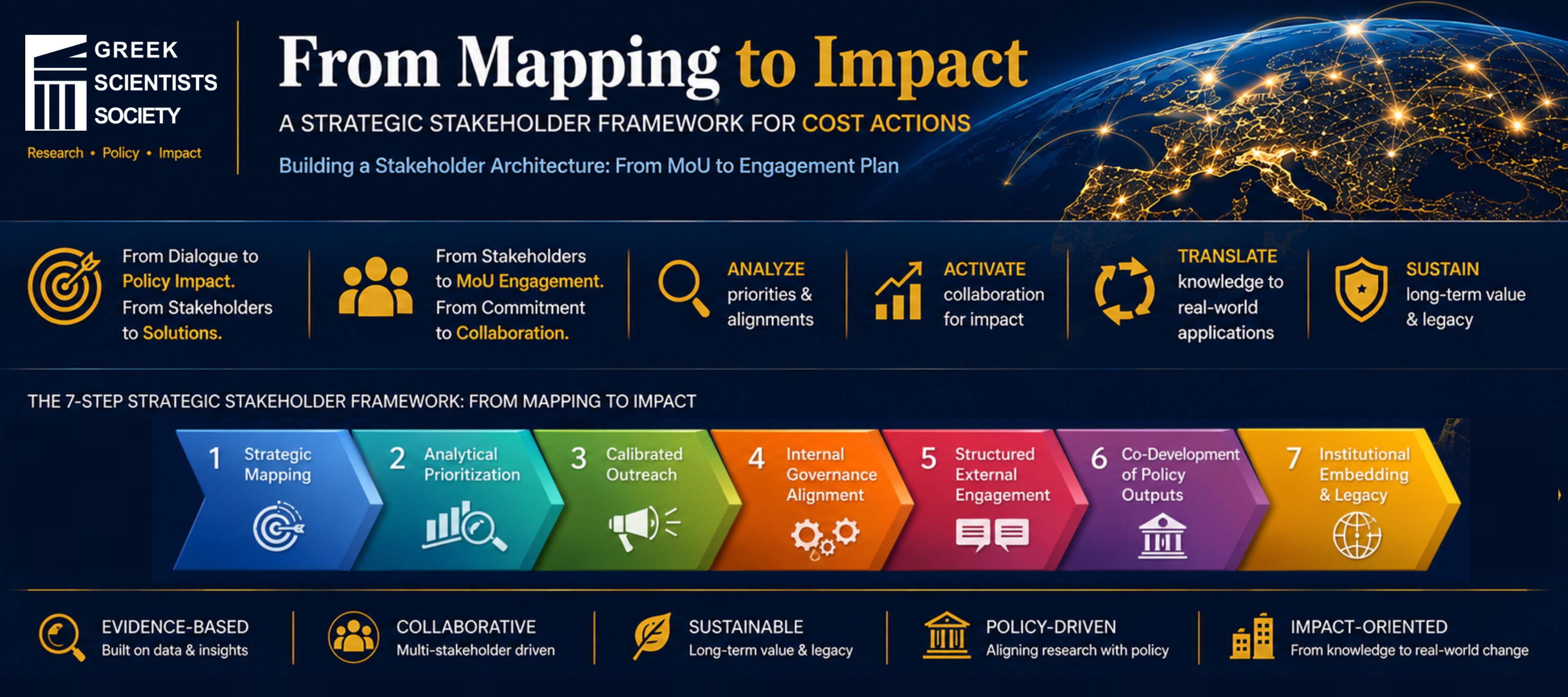
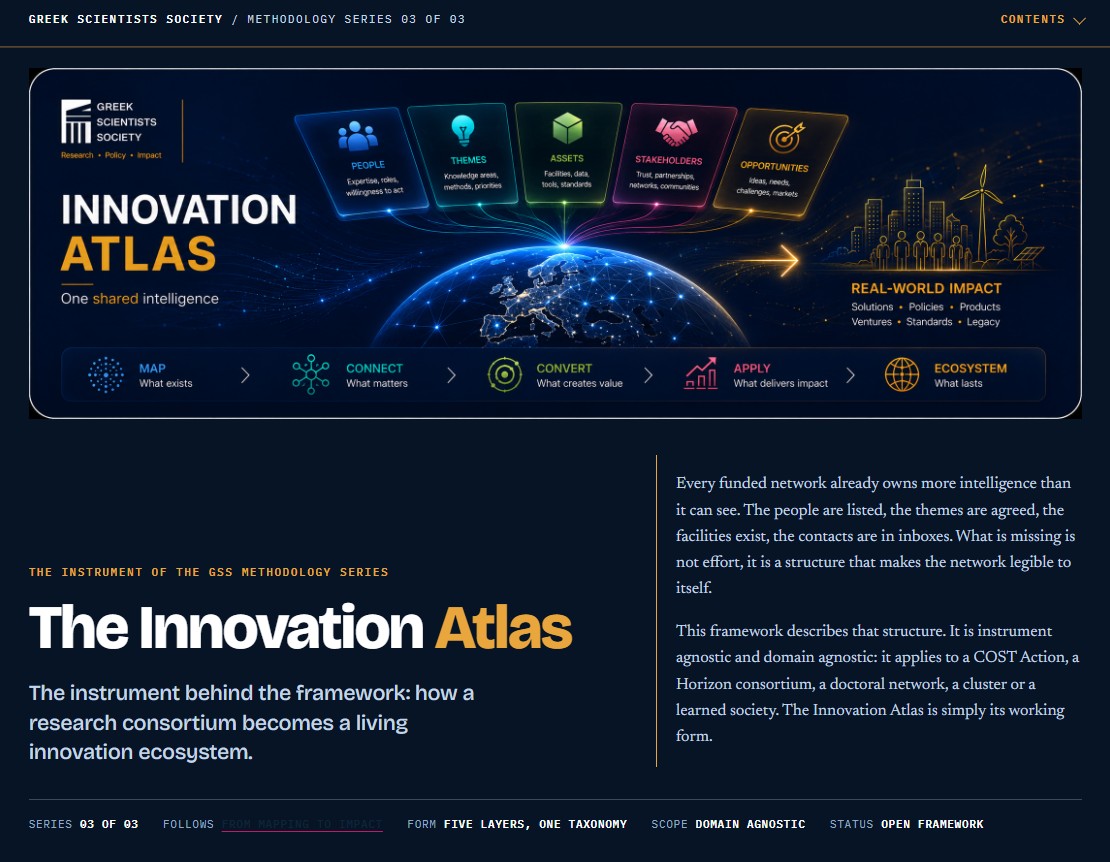
He contributes to several research and innovation initiatives, particularly COST Actions, where his contribution has been largely methodological. That work is gathered in the GSS Methodology Series: three published frameworks serving one aim, that when an Action ends, something remains. From MoU to Legacy gives a network the sequence to follow, seven steps from strategic mapping to institutional embedding. From Mapping to Impact gives it a clear view of who matters and why, turning a stakeholder list into a prioritised, MoU-anchored engagement plan that the whole team owns rather than one person. The Innovation Atlas gives it a shared record of what it holds, five layers over a single taxonomy.

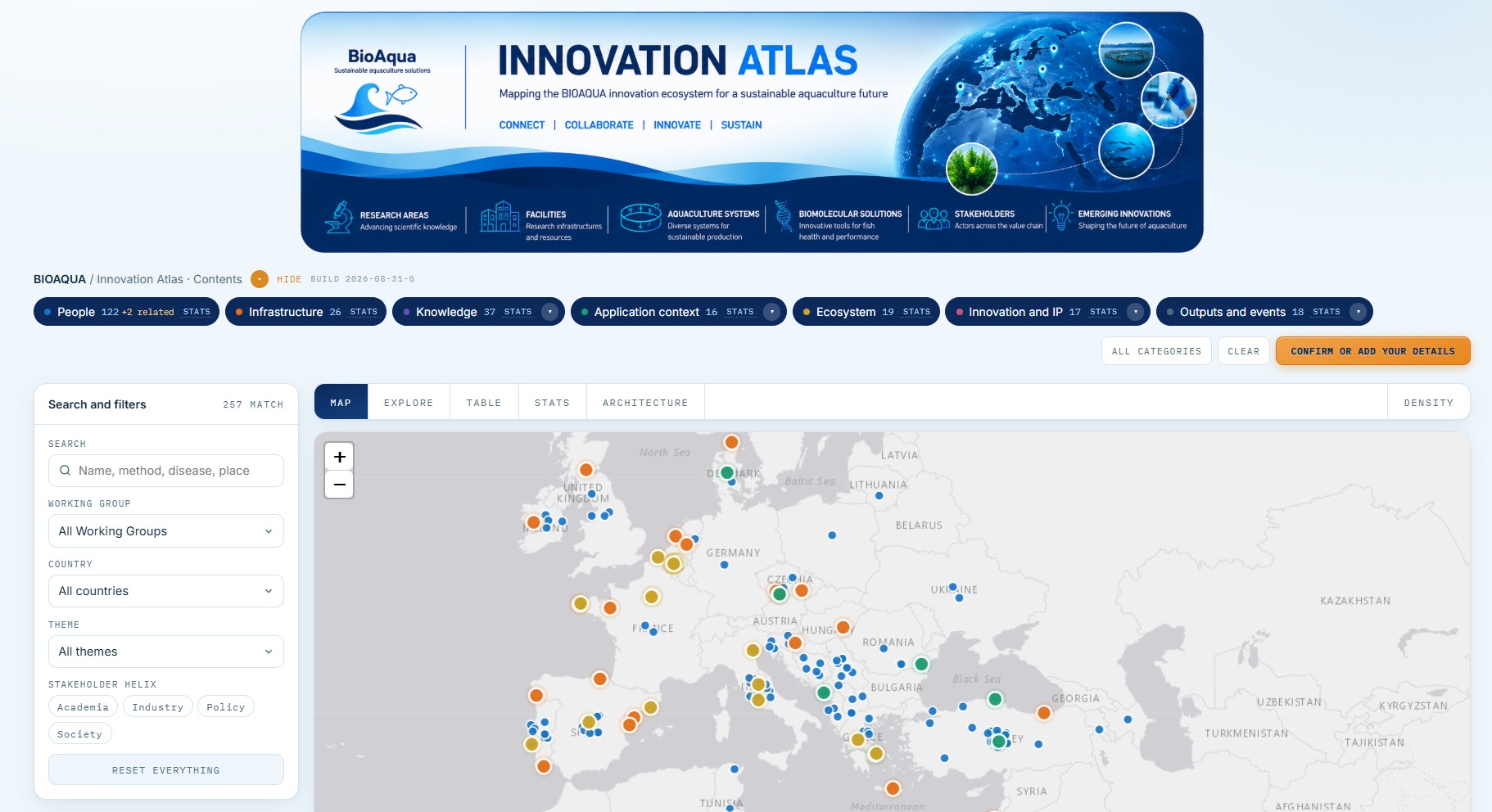
All three are domain agnostic, openly licensed, and applied in live Actions: stakeholder analyses for EU-RESOLVE (CA24138) and Insect-IMP (CA22140), and the Innovation Atlas built for BIOAQUA (CA22160). Alongside the frameworks he coined the concept of Post-Action Sustainability Projects, and works on the design of policy-facing outputs and on the European data agenda as a precondition for evidence that institutions can act on.

He holds a B.Sc. in Business Administration from the State University of New York, Empire State University, and an MBA from ALBA (Athens Graduate Business School).

Before establishing Strategic Foresight Hellas in 1997, an Organizational & Management Consultancy providing strategic advisory, project execution, ISO Quality Management Systems, internal auditing for an ASE-listed company, professional training, and management of Greek and EU-funded projects, he served as Marketing Manager at adidas Hellas.  In 2018 he founded bioGLOT Ventures in Cambridge, UK, an innovation and strategy advisory firm working in technology transfer, patent strategy, research commercialisation, and securing funding for start-up and spin-off development.

In December 2020 he founded the Greek Scientists Society (GSS), the largest global Hellenic network of Scientists and Technologists, with more than 33,000 members. Through GSS he works to promote interdisciplinary collaboration, knowledge exchange, and initiatives that strengthen the links between researchers, industry, policymakers, and society.

In May 2025, he was appointed as the Executive Director of a post-Action sustainability initiative, Kinesis Innovation Center (KIC), the first post-Action Sustainable Project with CA20104 – Network on evidence-based physical activity in old age (PhysAgeNet) and the GSS, having as a flagship initiative a digital biobank on Physical Activity.

He has organised and coordinated international conferences, symposia, workshops, webinars, and training schools bringing together researchers from universities, research organisations, and industry, and has developed digital collaboration platforms supporting networking, dissemination, and community building across European research initiatives.

Over the course of his career he has advised organisations across the private and public sectors on strategic planning, organisational development, digital transformation, technology transfer, commercialisation, European-funded projects, and innovation management, including work with spin-offs and start-ups on business model development, investor readiness, and licensing strategy.

Research work

Click any image to enlarge

Data interoperability and the EU data agenda

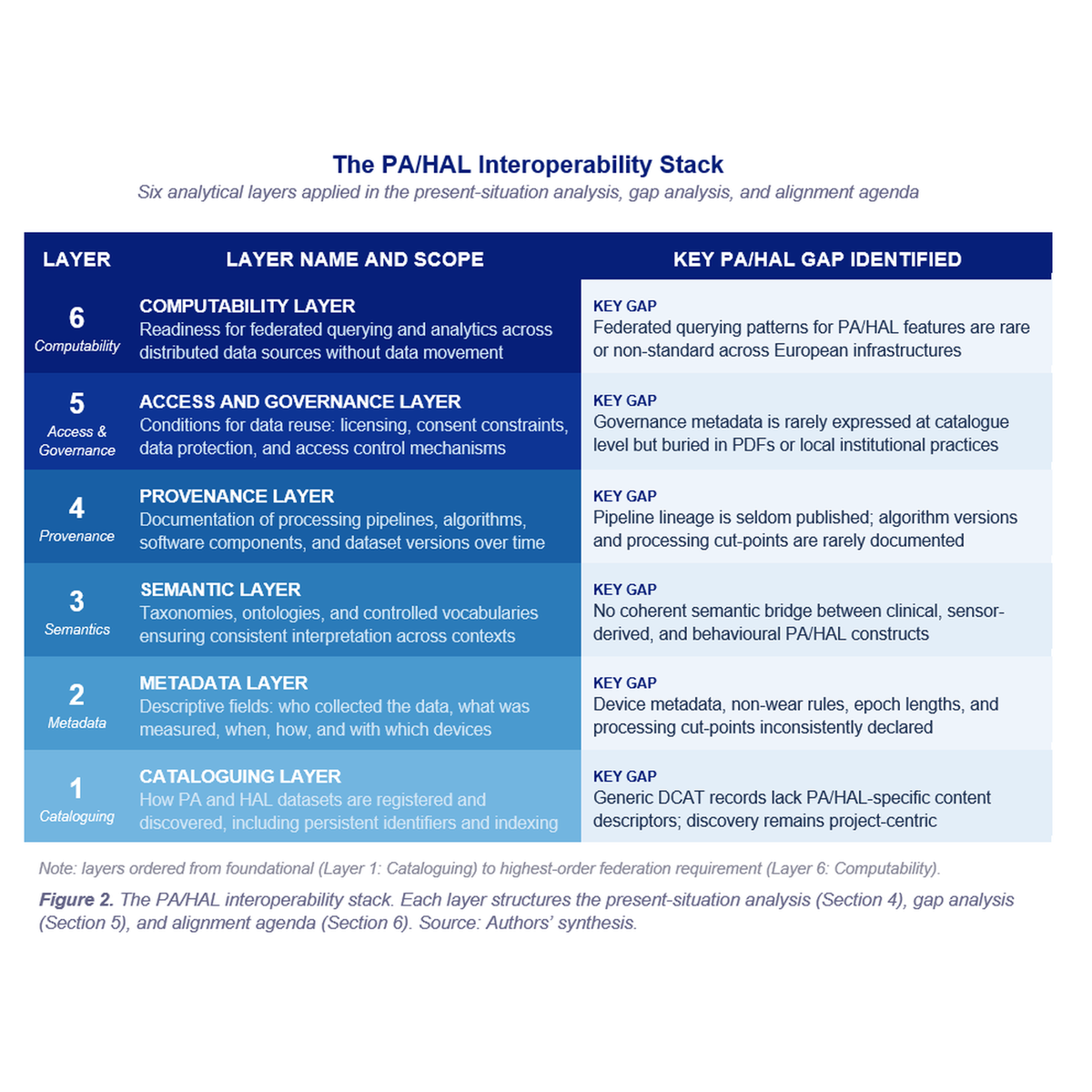
The PA/HAL interoperability stack, layer by layer
The PA/HAL Interoperability Stack
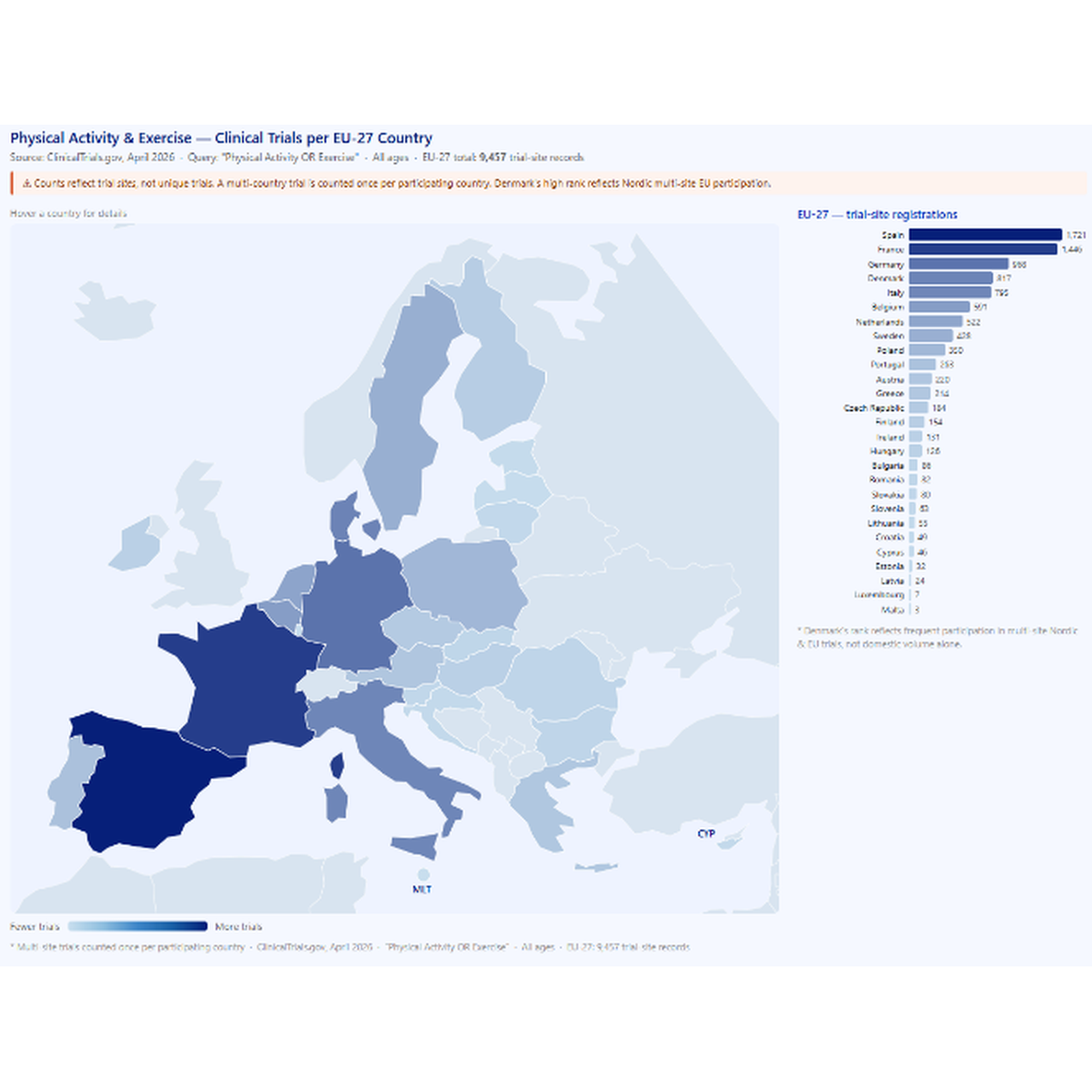
Map of physical activity and exercise clinical trials per EU-27 country
Clinical trials per EU-27 country
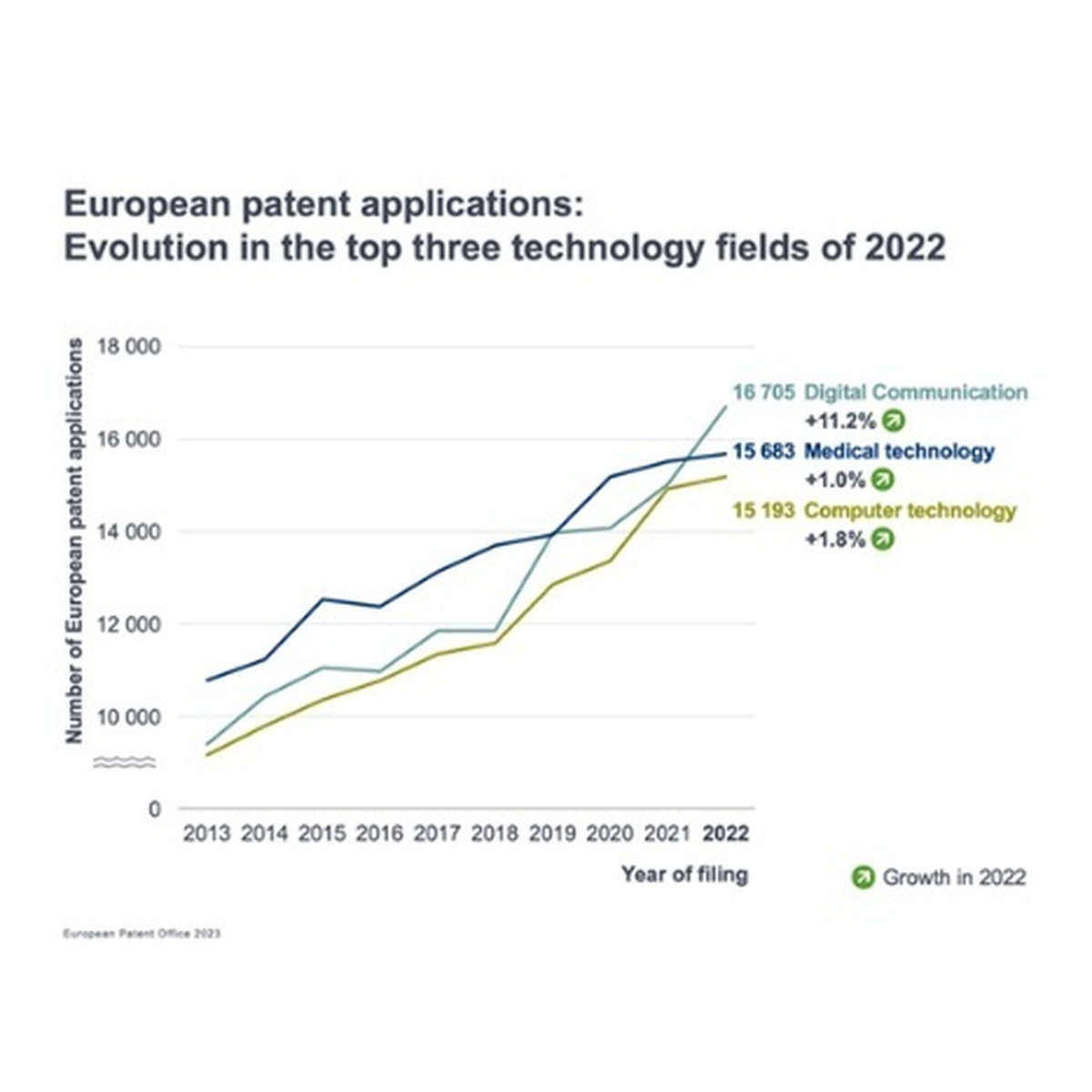
European patent applications in the top three technology fields
European patent applications: top three fields
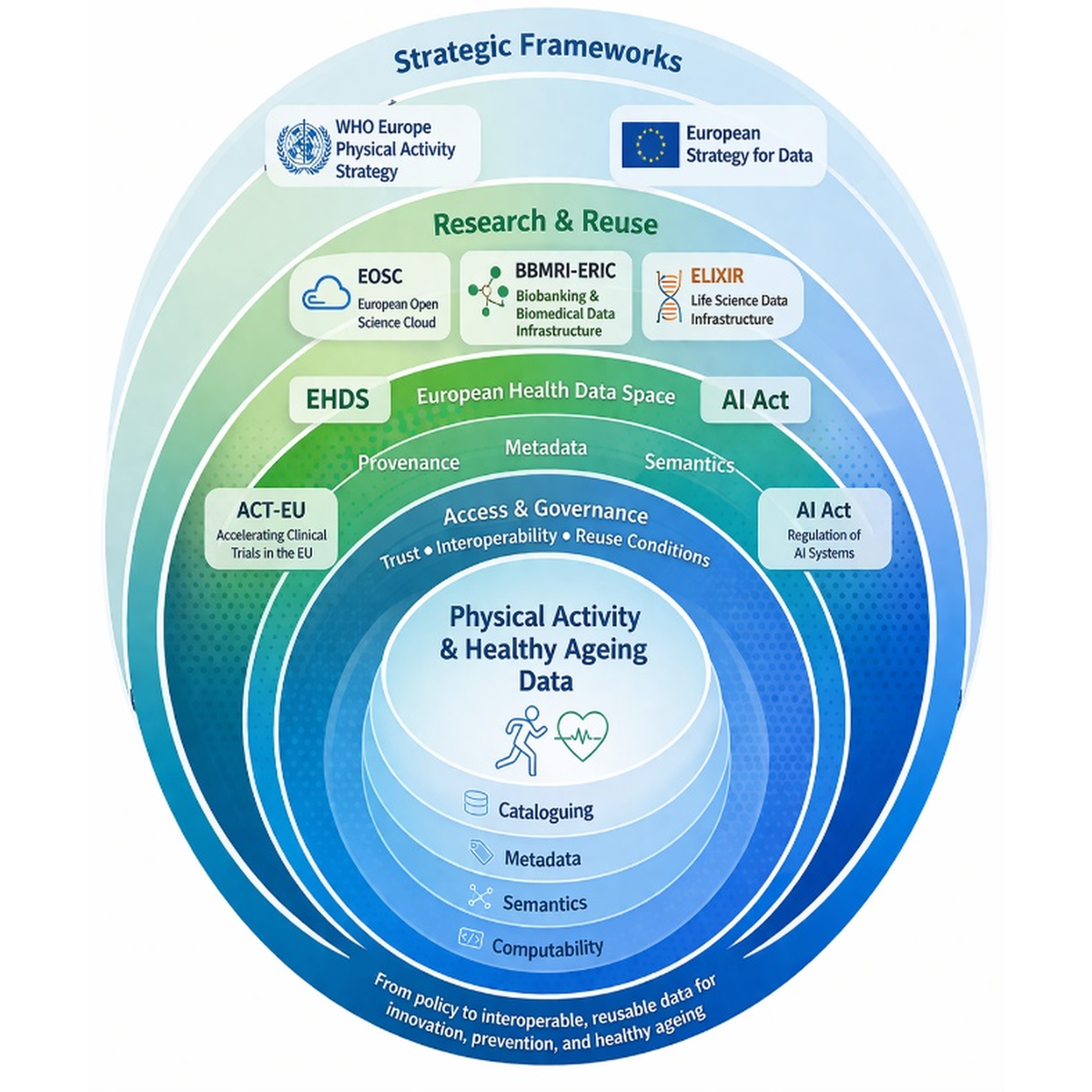
The physical activity and healthy ageing data interoperability ecosystem
The data interoperability ecosystem

Physical Activity and Healthy Ageing and Longevity Data: Interoperability, Reuse, and Innovation in a Federated European Context

Open Research Europe · version 1, awaiting peer review

On the interoperability and reuse of physical activity and healthy ageing data across a federated European context, covering FAIR practice, metadata, and the conditions under which such data become usable beyond the study that produced them.

10.12688/openreseurope.23637.1 Extended data on Zenodo

Science-to-policy and position papers

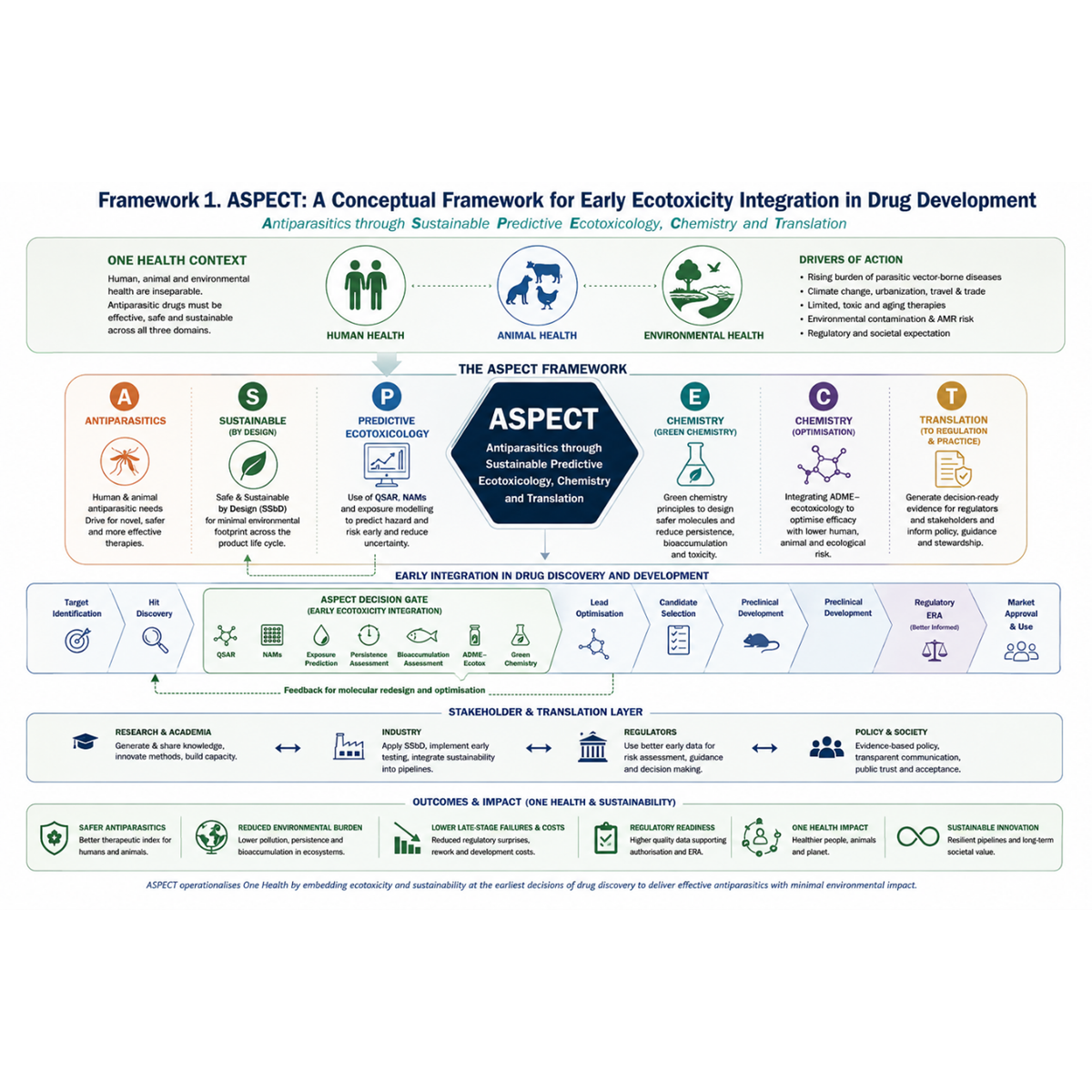
The ASPECT framework for early ecotoxicity integration in drug development
ASPECT: early ecotoxicity integration
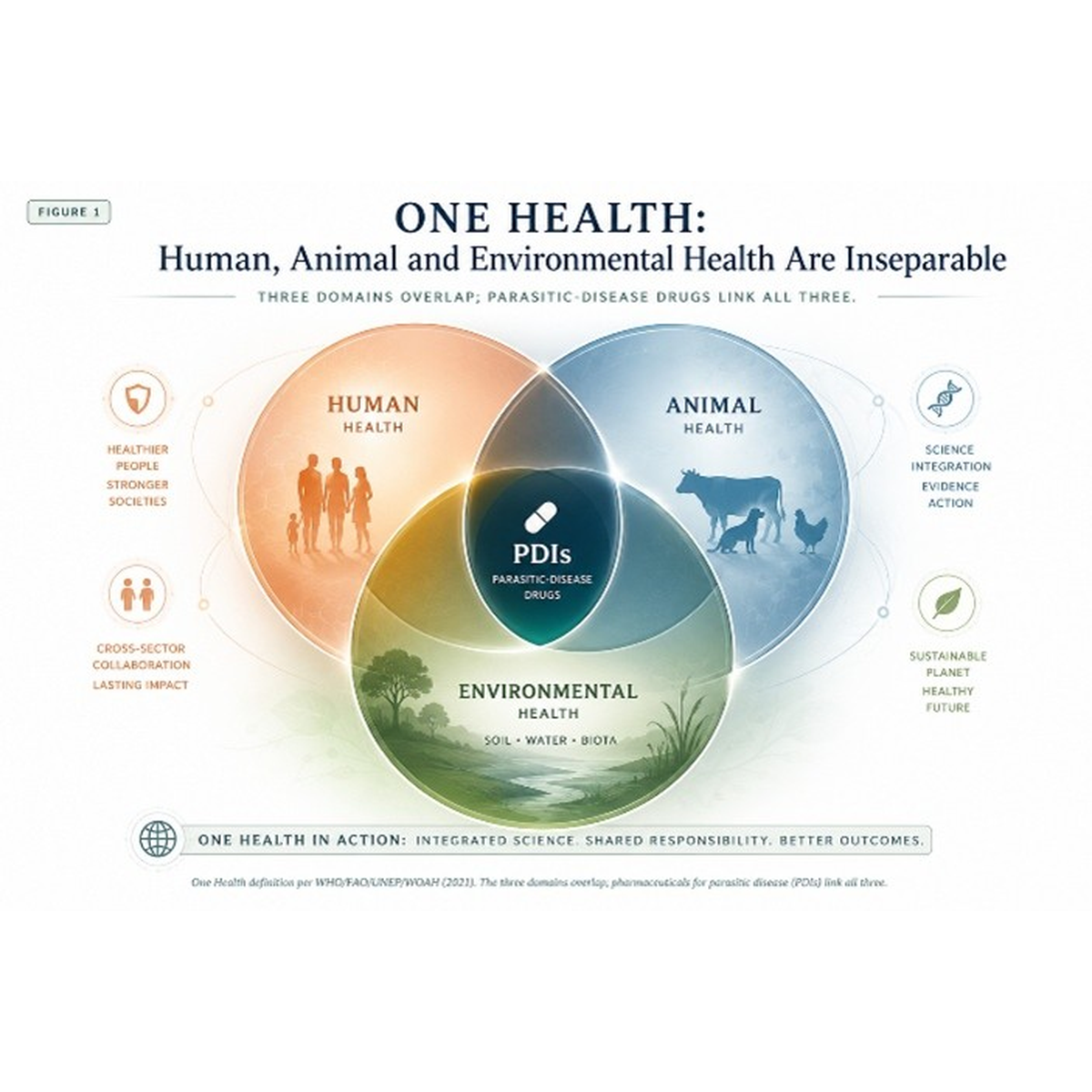
One Health: human, animal and environmental health as overlapping domains
One Health: three domains, inseparable
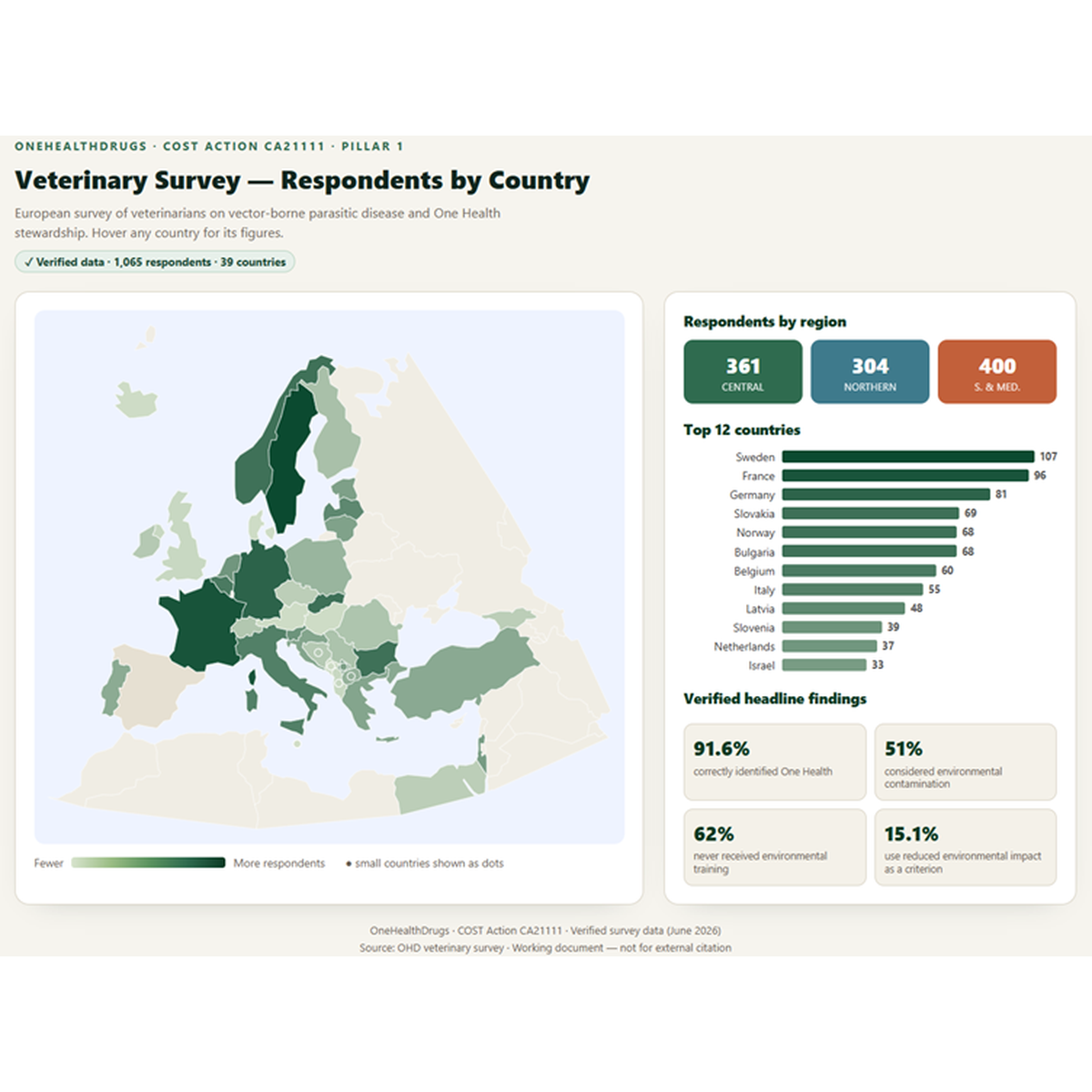
Veterinary survey respondents by European country
Veterinary survey: respondents by country
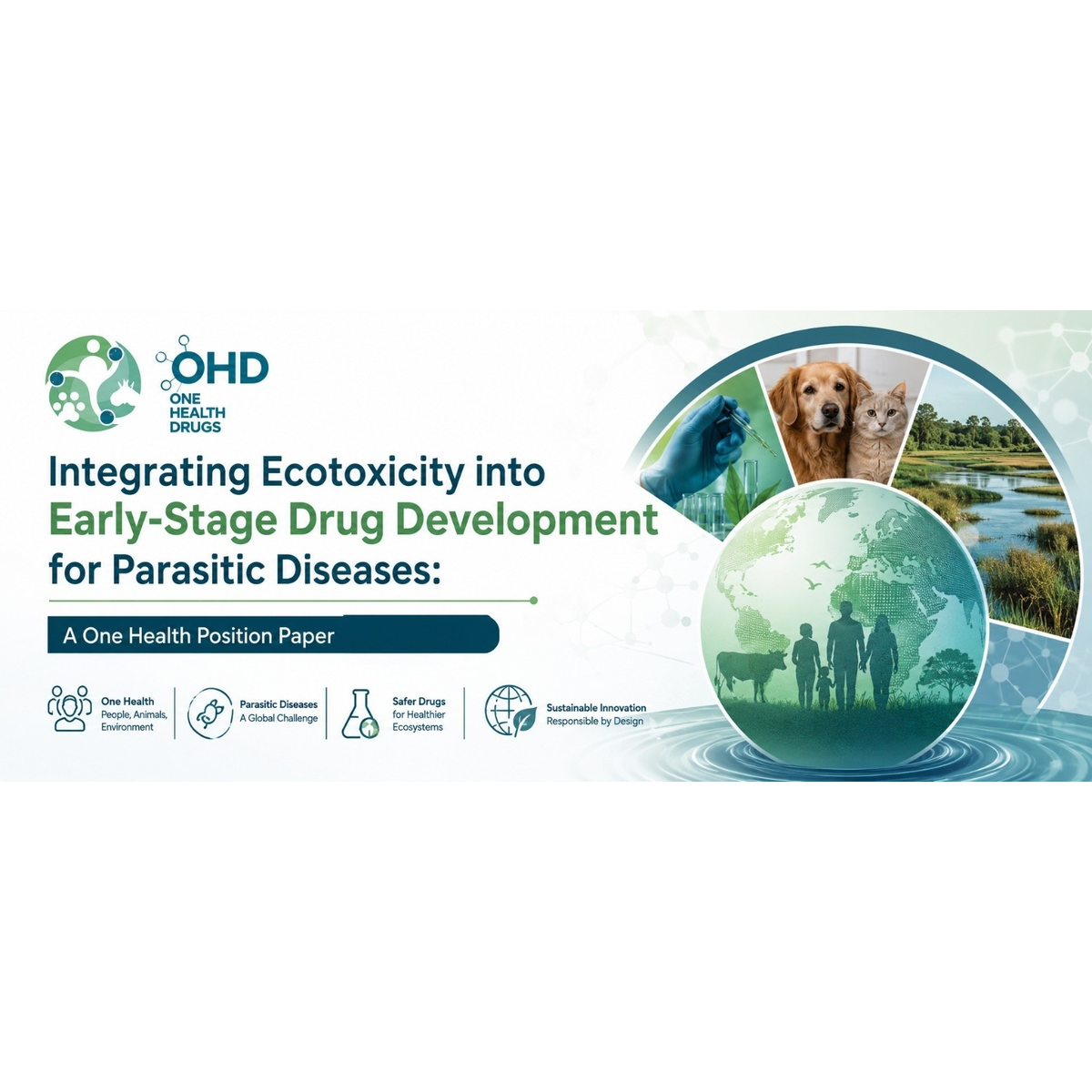
Cover of the ecotoxicity and One Health position paper
The position paper

Integrating Ecotoxicity into Early-Stage Drug Development for Parasitic Diseases: A One Health Position Paper

OneHealthdrugs, COST Action CA21111 · published 2026 · lead editor

A One Health position paper developed within the OneHealthdrugs COST Action through an Editorial Group and four Pillar Task Forces. It sets out how ecotoxicity can be considered at the earliest stages of drug development for parasitic diseases, rather than assessed once a compound is already advanced.

PDF


Publications and outputs

A published methodology series, the instruments built on it, and the analyses it has produced for live COST Actions. Everything here is open, and written to be picked up by any research network rather than only by the Action it was built for.

Publications and outputs with their DOIs
OutputDOI or link
Physical activity and healthy ageing and longevity data: interoperability, reuse and innovation in a federated European context Journal article · Open Research Europe · 2026 · version 1, awaiting peer review 10.12688/openreseurope.23637.1 Read on Open Research Europe Extended data: 10.5281/zenodo.19696719
COST Action Interdisciplinarity Graph: interactive map of OECD fields of science across COST Actions CA22xxx to CA25xxx Software · 2026 10.5281/zenodo.22141909
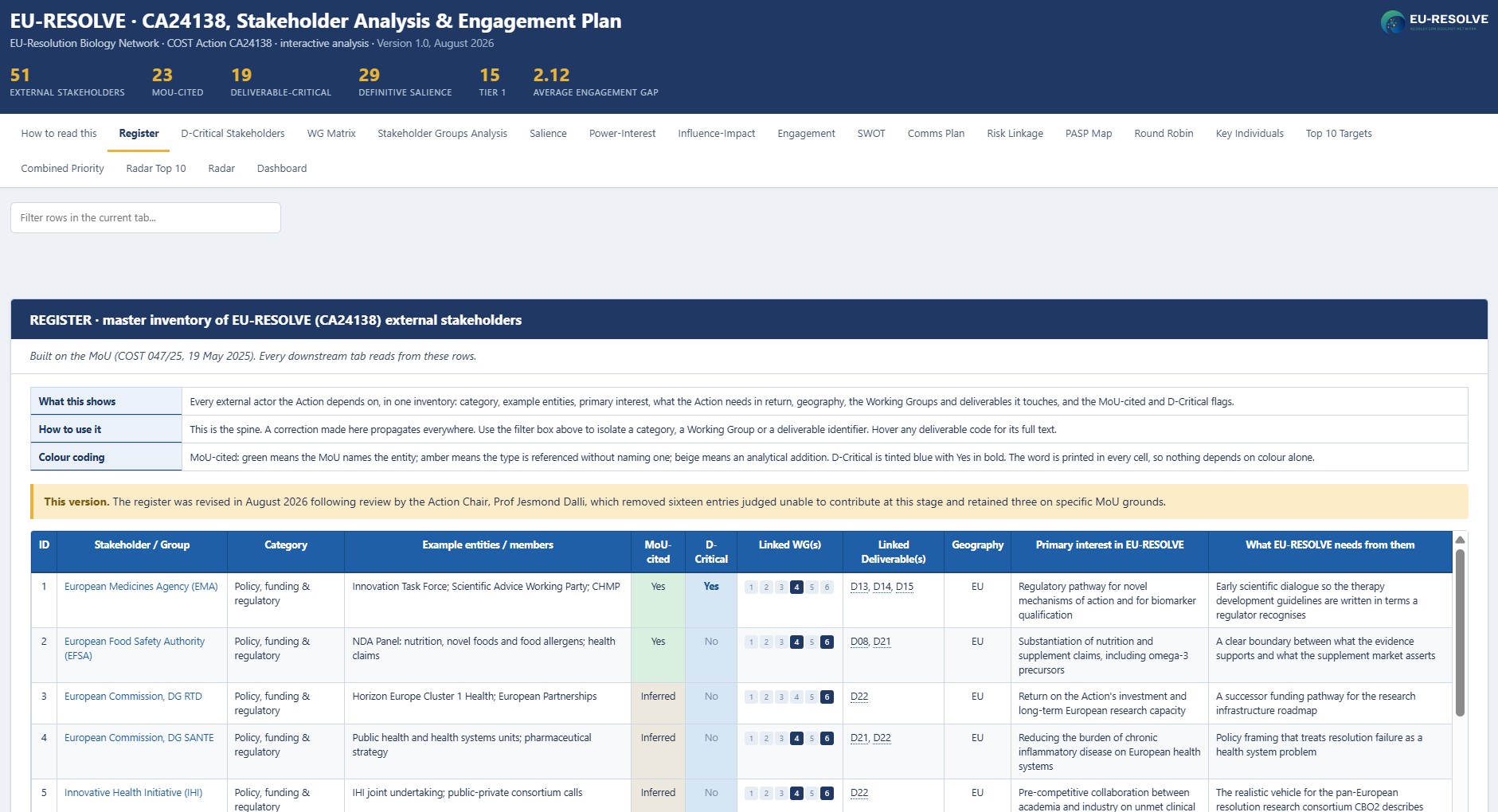
EU-RESOLVE (COST Action CA24138) Stakeholder Analysis and Engagement Plan Report · 2026 10.5281/zenodo.22066520
Insect-IMP (COST Action CA22140) Stakeholder Analysis and Engagement Plan Report · 2026 10.5281/zenodo.22073063
The GSS Methodology Series Series overview · three frameworks · CC BY-SA 4.0 gss.cost-action.eu
From MoU to Legacy: a new strategic approach Framework 01 · the time axis gss.cost-action.eu
From Mapping to Impact: a strategic stakeholder framework Framework 02 · the structure axis gss.cost-action.eu
The Innovation Atlas Framework 03 · the record axis gss.cost-action.eu
BIOAQUA Innovation Atlas Instrument · BIOAQUA CA22160 · COST Virtual Mobility grant gss.cost-action.eu
COST Action Atlas Pilot · European scientific landscape 2022 to 2025 gss.cost-action.eu

Explore the work

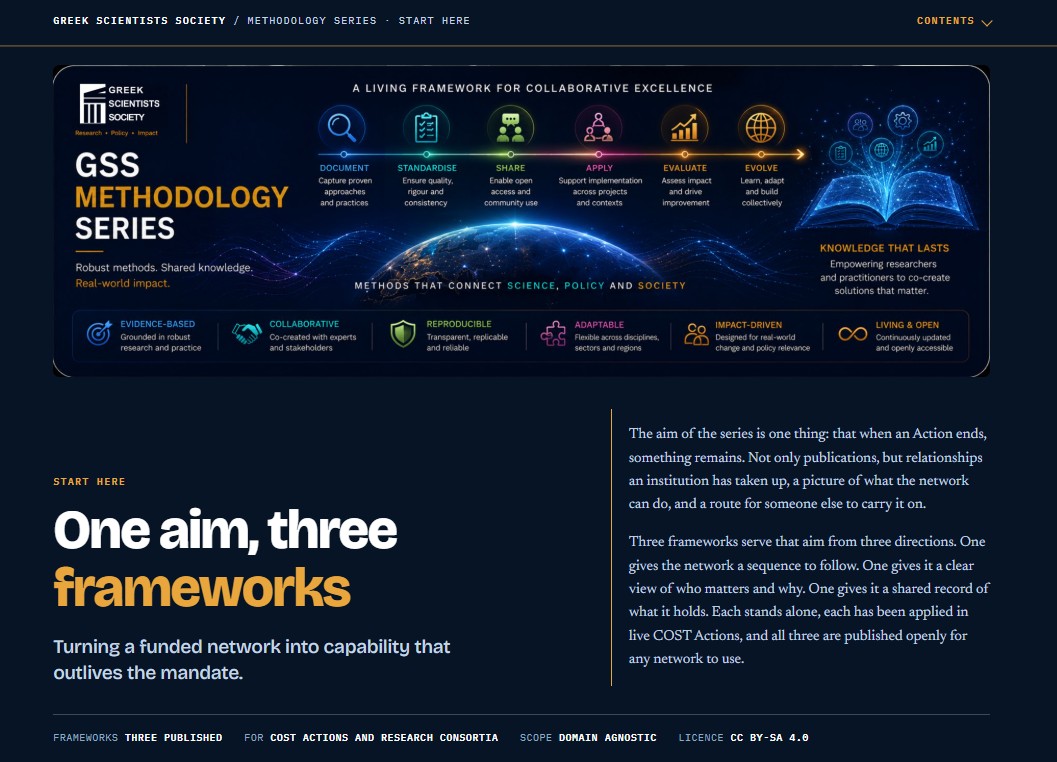
The GSS Methodology Series

Series · start here

The GSS Methodology Series

Greek Scientists Society · three frameworks · CC BY-SA 4.0

One aim from three directions: a sequence a research network can follow, a picture of what it holds, and something an institution can carry forward once the mandate ends. Domain agnostic, tested in live COST Actions.

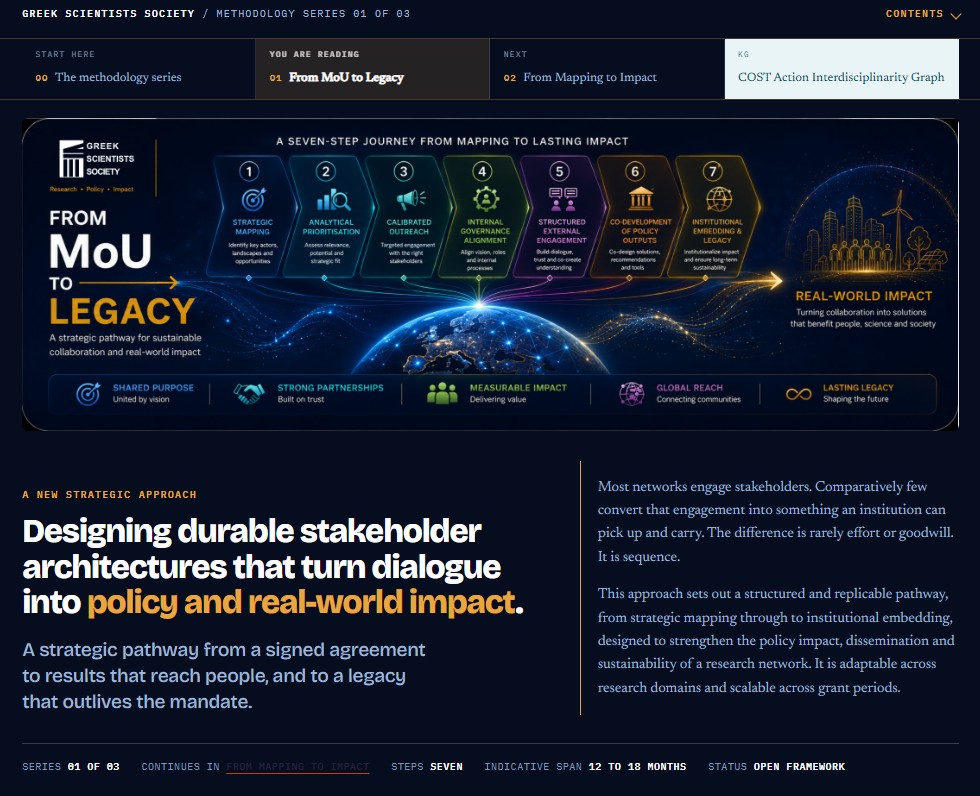
From MoU to Legacy: seven steps from mapping to lasting impact

Framework 01 · the time axis

From MoU to Legacy

Seven steps · indicative span 12 to 18 months

What has to happen, and in what order. From strategic mapping through calibrated outreach and internal alignment to a co-developed policy output and its embedding in an institution. Each step states what it hands to the next.

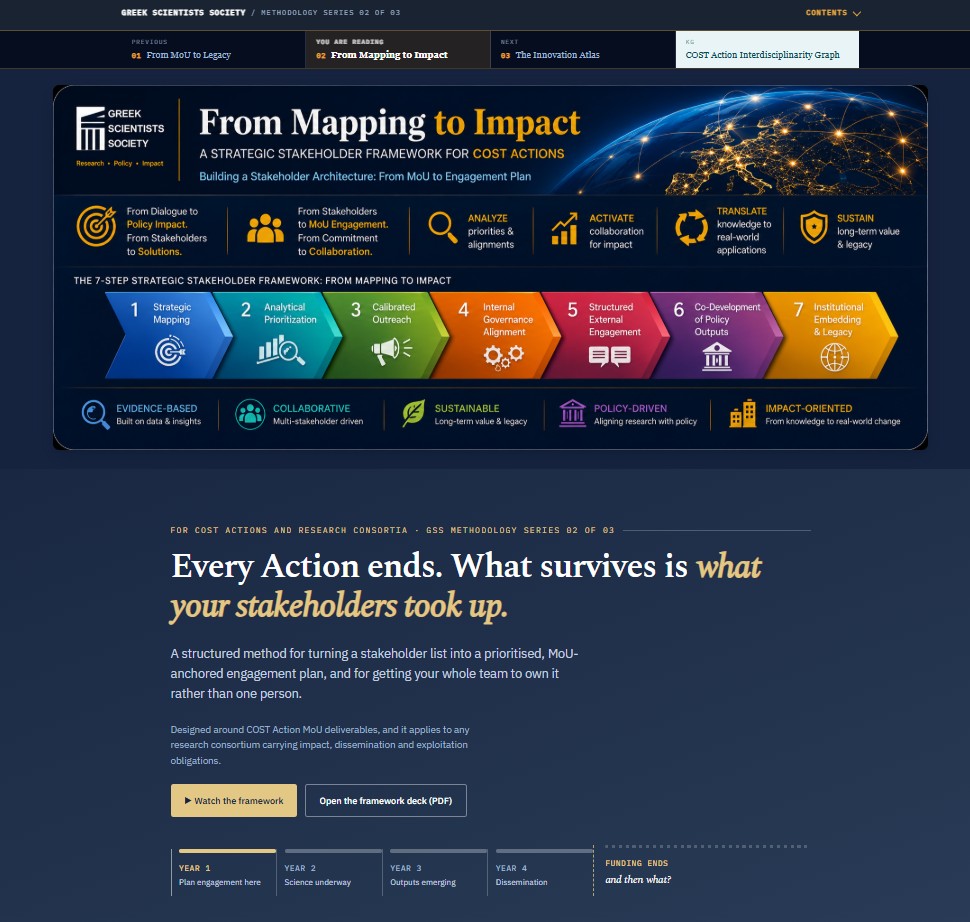
From Mapping to Impact: a strategic stakeholder framework

Framework 02 · the structure axis

From Mapping to Impact

A strategic stakeholder framework

Turning a stakeholder list into a prioritised, MoU anchored engagement plan, with every entry traced to a section of the agreement and scored by a team rather than by one person. Where a network decides who shapes decisions and who is merely present.

The Innovation Atlas: five layers over one taxonomy

Framework 03 · the record axis

The Innovation Atlas

Five layers over one taxonomy · deployable for any Action

People, themes, assets, stakeholders and opportunities, treated as capital that can be converted rather than as a directory. A framework in its own right, and the instrument the other two write their results into.

BIOAQUA Innovation Atlas

The framework in use

BIOAQUA Innovation Atlas

BIOAQUA, COST Action CA22160 · COST Virtual Mobility grant

The Atlas architecture deployed for a live Action. Themes are the only join, so opening a disease returns the solutions that address it, the research behind them, the facilities that hold it and the stakeholders who decide about it. Nothing is ranked, and members validate their own entries.

EU-RESOLVE stakeholder analysis and engagement plan

The framework in use

EU-RESOLVE Stakeholder Analysis and Engagement Plan

EU-Resolution Biology Network, CA24138 · report · 2026

Fifty-one external stakeholders, each traced back to the MoU and carried through salience, power-interest, influence-impact and a comms plan. One register is the spine, and a correction made there propagates to every downstream view.

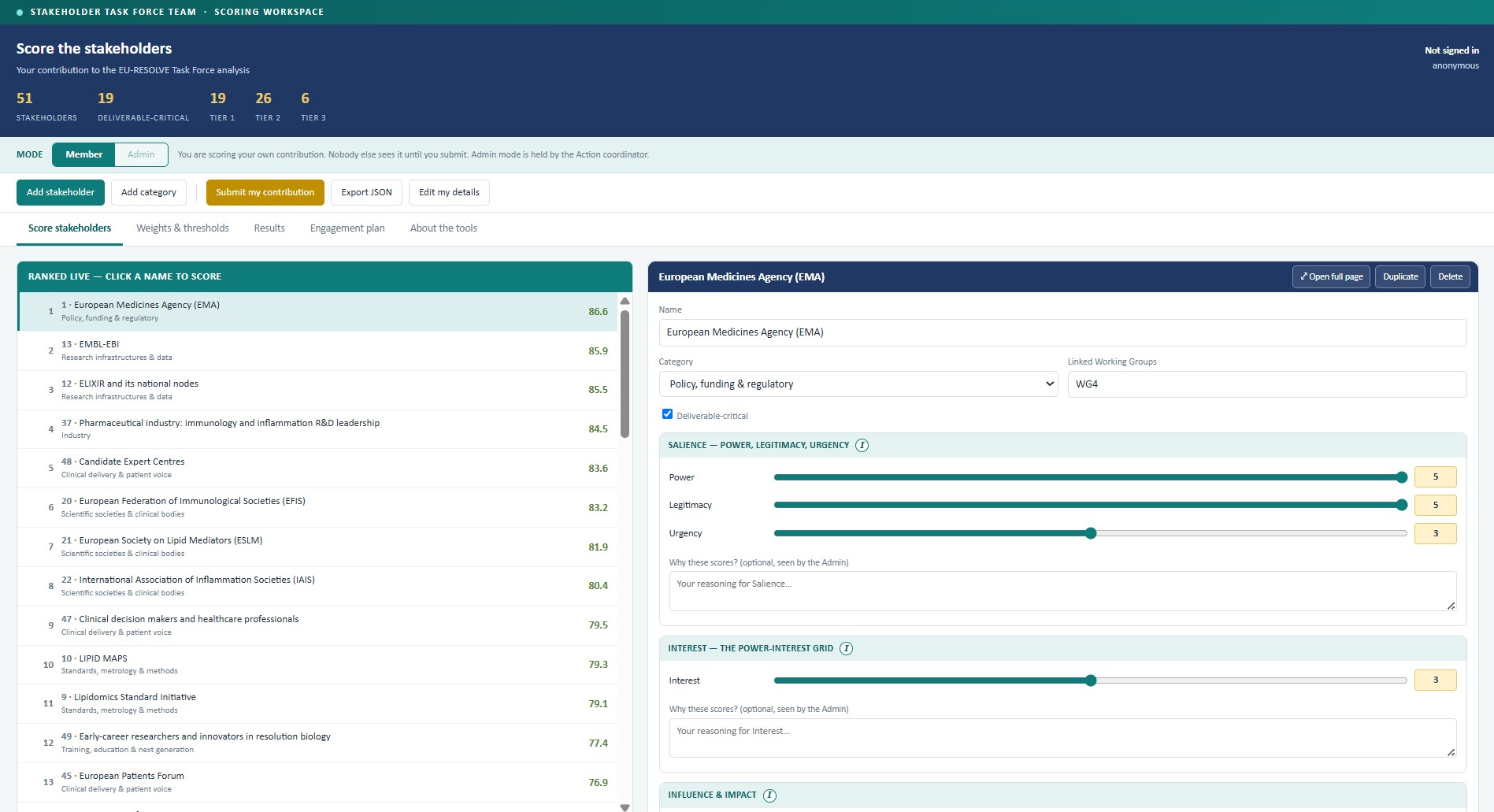
Stakeholder scoring workspace with power, legitimacy and urgency sliders

Working instrument

Stakeholder scoring workspace

Task force tool · member and admin modes

Where the framework stops being a document. Each member scores power, legitimacy, urgency and interest privately, records the reasoning, and submits. The coordinator holds admin mode and sees the aggregate, so priority comes from the team rather than from one desk.

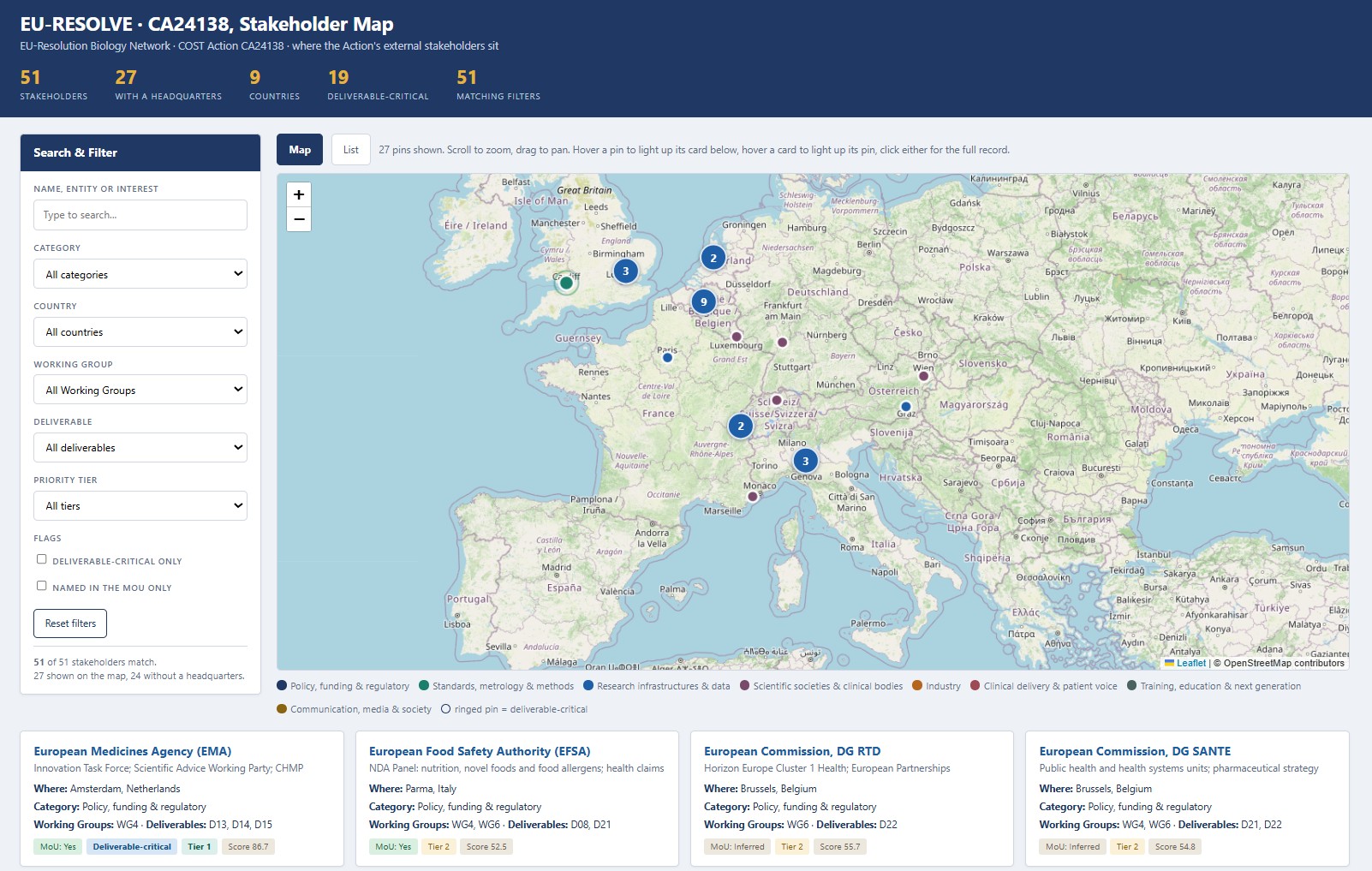
EU-RESOLVE stakeholder map: pins across Europe with filters and record cards

The framework in use

EU-RESOLVE Stakeholder Map

EU-Resolution Biology Network, CA24138 · 51 stakeholders · 9 countries

The register put on a map. Twenty-seven of the fifty-one have a headquarters that can be placed, so the Action can see where its external landscape actually sits. Filter by category, working group, deliverable or priority tier, and every pin opens the full record behind it.

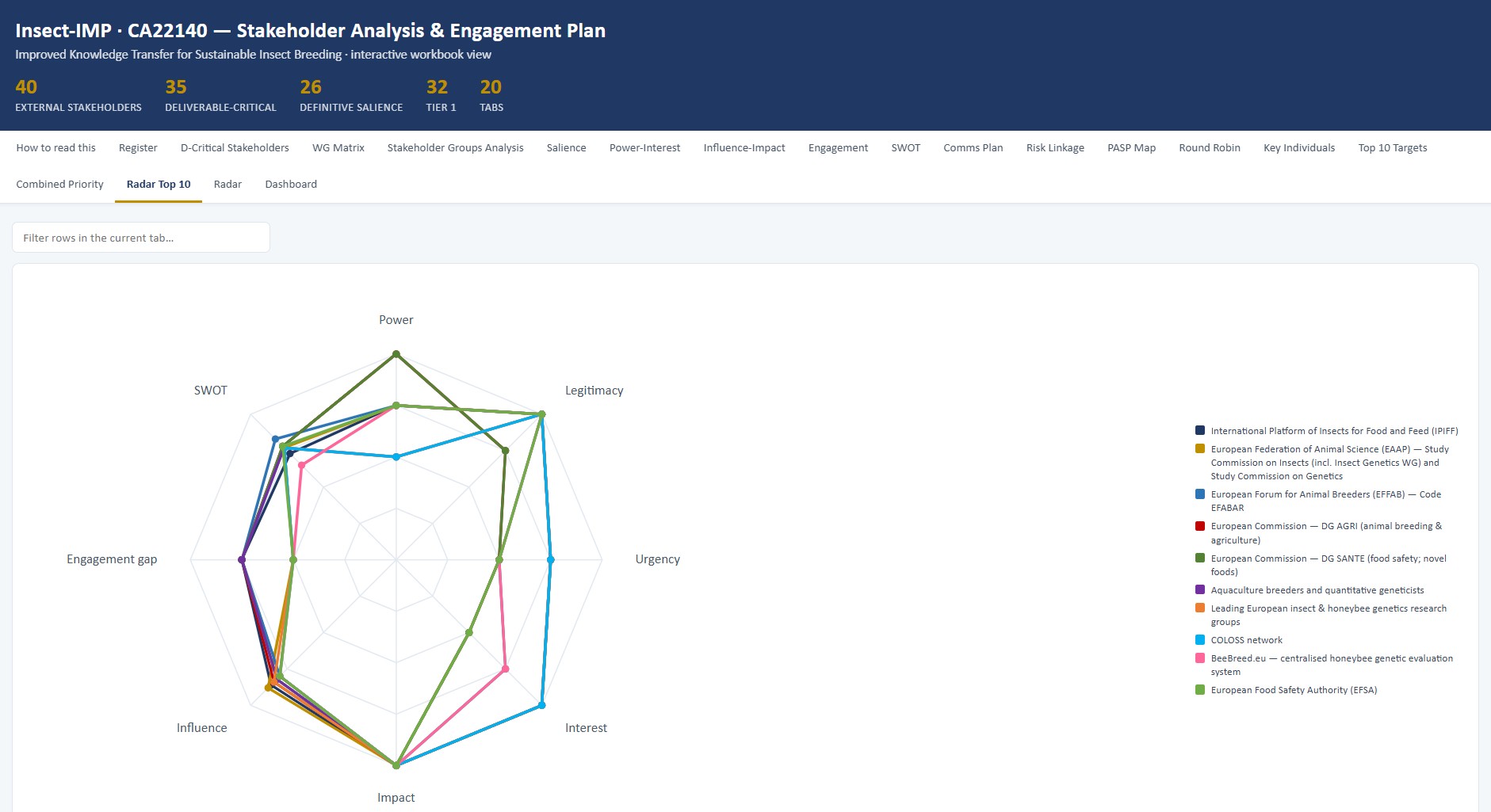
Insect-IMP stakeholder analysis and engagement plan

The framework in use

Insect-IMP Stakeholder Analysis and Engagement Plan

Insect-IMP, COST Action CA22140 · report · 2026

The same method applied to a second Action, which is what turns a framework into a method: the sequence holds across a different domain, a different MoU and a different set of external actors.

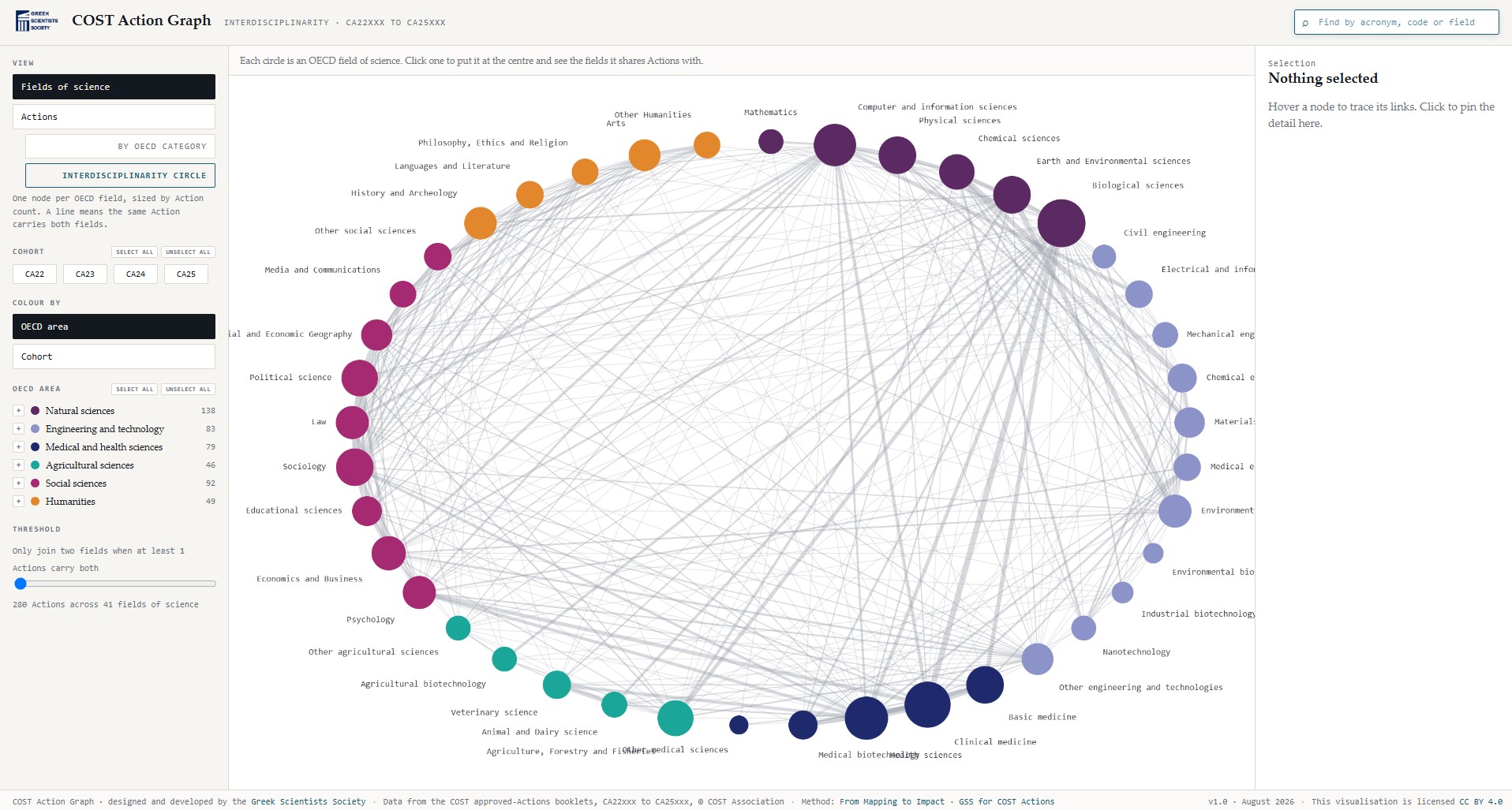
COST Action Graph: OECD fields of science joined where Actions carry both

Knowledge graph

COST Action Interdisciplinarity Graph

Software · 280 Actions across 41 fields of science

One node per field of science, joined wherever a single Action carries both. Lets a network see its nearest neighbours, find who is worth inviting to a stakeholder meeting, and spot the Actions with which a joint endeavour would carry more weight than a solo one.

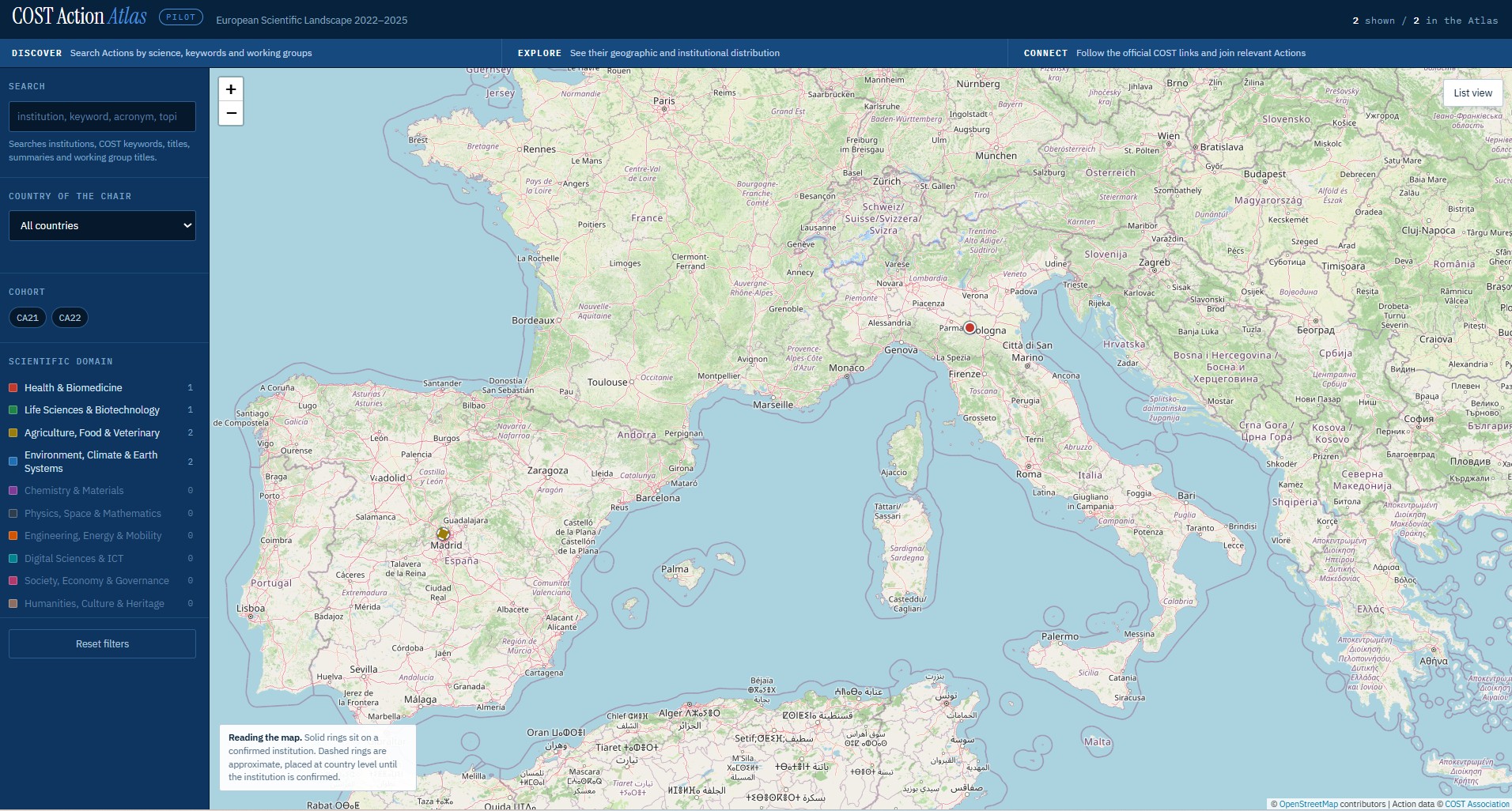
COST Action Atlas pilot: European map with Actions plotted by chair institution

Pilot

COST Action Atlas

European scientific landscape 2022 to 2025

Discover, explore, connect. Search Actions by science, keywords and working groups, see their geographic and institutional distribution, then follow the official links and join. Solid rings sit on a confirmed institution, dashed rings are placed at country level until confirmed.

Methods licensed CC BY-SA 4.0. Adaptations, translations and critiques welcome.


Working on an Action, or planning one?

The frameworks are open and free to use. If you would like them applied to your own network, or want to talk through a sustainability plan before the mandate runs out, get in touch.

Email me Contact form

This website uses cookies to improve your web experience.
Home
Account
Cart
Search
Explore
Drag